Simplicity vs. Scale: The AI Agent Debate and a Crowded JavaScript Runtime Market
How this was made Verified AI
Every Intellegix briefing is generated from that day's broadcast and run through automated checks before it publishes — with a human paged on any flag. Here is the trail for this edition.
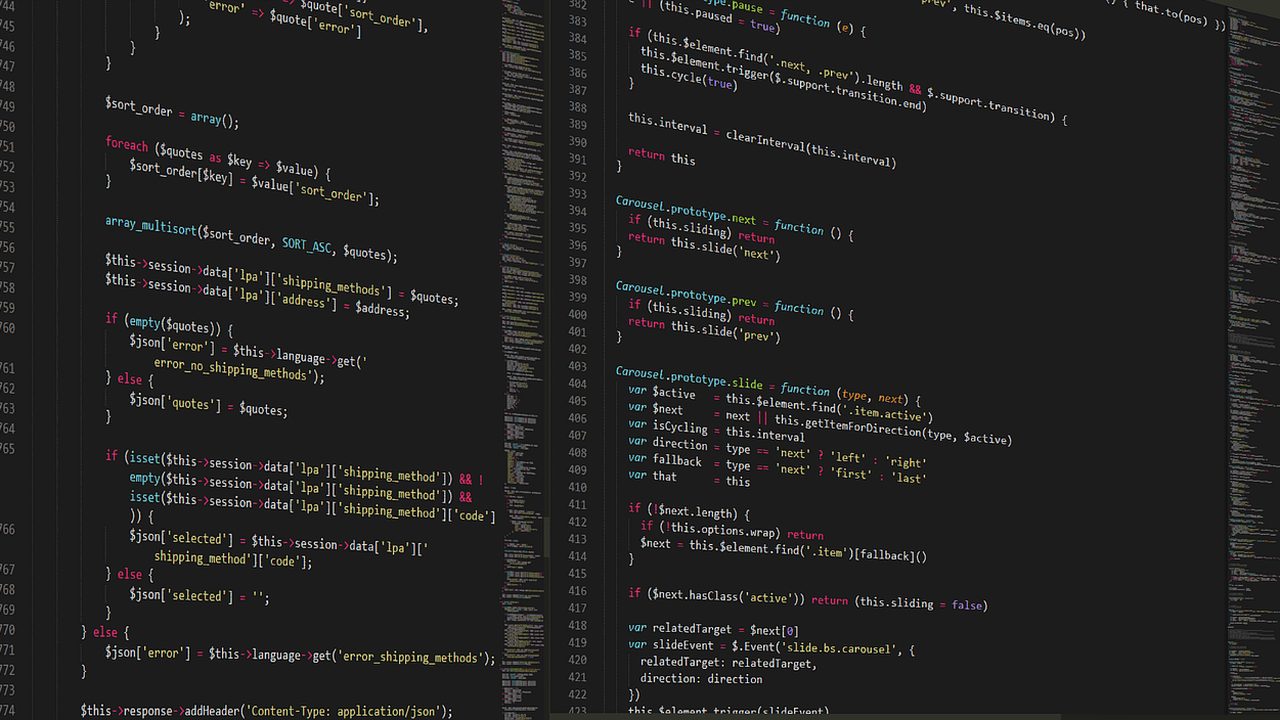
A blog post demonstrating a functional AI agent written in one hundred lines of Lisp earned a hundred sixty-six points and thirty-six comments on Hacker News — notable attention for a piece that is, at its core, an argument for minimalism. The post, from Jamie Beach's personal site, uses Common Lisp macros to build a recursive tool-calling loop: define available tools, write a dispatch function keyed to the LLM's output, feed results back into the context window. The entire implementation fits on a single screen.
The HN discussion quickly moved from technical elegance to a structural question about whether the complexity in current agent frameworks — LangChain, AutoGen, and their peers, running to hundreds of thousands of lines — is incidental or essential. One camp argued the frameworks became complex because they were shipping production features rapidly, not because agents are inherently complex. The counterargument was that production requirements genuinely add up: error recovery, retry logic, state persistence across sessions, observability hooks, and compliance audit trails each contribute real code. Both positions drew significant support.
A related Show HN project, Mindwalk from cosmtrek, earned seventy-seven points for a different approach to agent complexity: a debugging and visualization tool that replays coding agent sessions on a three-dimensional map of a codebase, letting developers watch the agent's reasoning path through the code graph rather than reconstructing it from logs. One of the hardest problems with AI agents in production is interpretability after the fact; a spatial visualization may make traversal patterns substantially more legible.
In the runtime space, a new JavaScript and TypeScript runtime called Ant — built on V8 by developer theMackabu and targeting the same territory as Deno and Bun — earned two hundred seventy-five points and a hundred twenty comments. The most upvoted responses were variations of 'do we need another JavaScript runtime,' answered by counter-responses noting that identical skepticism greeted Deno when Node existed and Bun when Deno existed. Ant's current differentiator appears to involve its module system and package management, though documentation remains sparse; the community's response was a request for benchmarks and a production use case. Separately, Buf's new Python Protobuf library earned fifty-seven points and uniformly positive early comments from developers who have long found the official Google implementation's developer experience lacking — specifically, it reportedly generates idiomatic Python objects rather than the awkward message wrappers the official library produces.