Life From Scratch: Scientists Cross the Synthetic Cell Threshold
How this was made Verified AI
Every Intellegix briefing is generated from that day's broadcast and run through automated checks before it publishes — with a human paged on any flag. Here is the trail for this edition.
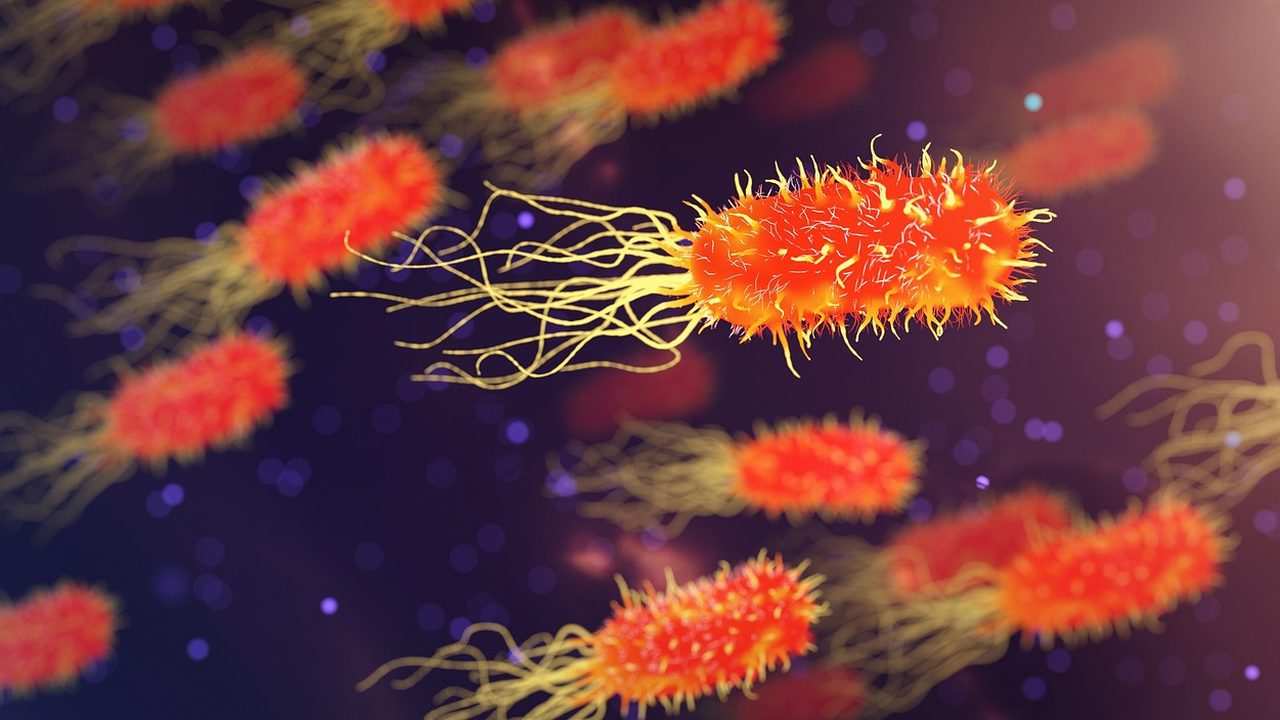
For the first time, researchers have constructed a cell entirely from non-living chemical components — no parent cell, no biological lineage — that grows and divides. The result, reported by Quanta Magazine and discussed extensively on Hacker News with 868 points and 278 comments, represents a categorical departure from everything that came before it in synthetic biology.
Prior achievements fell into two categories: Craig Venter's team in 2010 inserted synthetic genomes into existing bacterial shells, and subsequent researchers stripped cells down to minimal genomes. Both approaches still relied on a pre-existing cellular chassis. What the current work accomplished was building the physical structure — the membrane and internal machinery — from scratch, and then getting it to replicate. That is the line that had not previously been crossed.
The implications branch in multiple directions. For basic science, the result bears on one of biology's oldest questions: what is the minimum physical and chemical requirement for life? For medicine, cells built to custom specifications open paths to drug delivery systems that are programmable at a biological level. For biosecurity and ethics, it raises questions that existing regulatory frameworks are not currently equipped to handle. The NIH framework for recombinant DNA work dates conceptually to Asilomar in 1975; the European Cartagena Protocol covers genetically modified organisms. Neither was designed for a cell with no biological parent and no lineage to trace.
The Hacker News comment thread split between those treating the result as a scientific milestone and those focused immediately on dual-use implications. One commenter with a synthetic biology background argued that the hard part is not building the first cell — it is that the protocols will eventually become reproducible in less controlled environments. A parallel philosophical thread examined what the result means for vitalism: the intuition that life possesses some property beyond its chemistry. When life can be assembled from inert components, that intuition, several commenters argued, takes a serious hit.
From a commercial standpoint, the biotech sector has watched synthetic biology for decades with substantial investment appetite. Companies including Ginkgo Bioworks and others have been building toward programmable biology. Even as a proof-of-concept, this result is expected to move capital — and the gap between academic demonstration and commercial application in synthetic biology has been compressing.