Kubernetes in the Browser, Lean Models, and a Fifty-Dollar RISC-V Speaker
How this was made Verified AI
Every Intellegix briefing is generated from that day's broadcast and run through automated checks before it publishes — with a human paged on any flag. Here is the trail for this edition.
A developer at ngrok ported Kubernetes to run entirely in a browser environment using WebAssembly, scoring 282 points and 83 comments. The stripped-down Kubernetes control plane runs client-side, enabling demo environments, documentation, and learning tools with no backend infrastructure required. Critics in the thread noted that Kubernetes without real node scheduling has obvious limitations, but supporters argued the value is pedagogical — an interactive, no-setup environment for demonstrating kubectl behaviors, explaining RBAC configurations, or testing Helm chart logic without requiring a user to spin up a cluster. For ngrok specifically, it doubles as a polished top-of-funnel demo for their networking product.
Mistral's Leanstral 1.5 release scored 239 points and 86 comments. Mistral is positioning the model as small but capable, optimized for code and reasoning at significantly lower inference costs than frontier alternatives. The release reflects a bifurcation increasingly visible across the LLM market: at the top, Anthropic, OpenAI, and Google compete on maximum capability; below that, a rapidly growing tier of models — Mistral, Meta's Llama family, and others — competes on being good enough at specific tasks while cheap enough to run millions of inferences per day.
Google's internal Copybara source-migration tool generated renewed discussion — 228 points, 43 comments — about monorepo versus polyrepo strategies. Copybara, which Google has used to sync code between its internal monorepo and external GitHub repositories, has become newly relevant for platform engineering teams managing the coordination costs of fragmented microservice architectures.
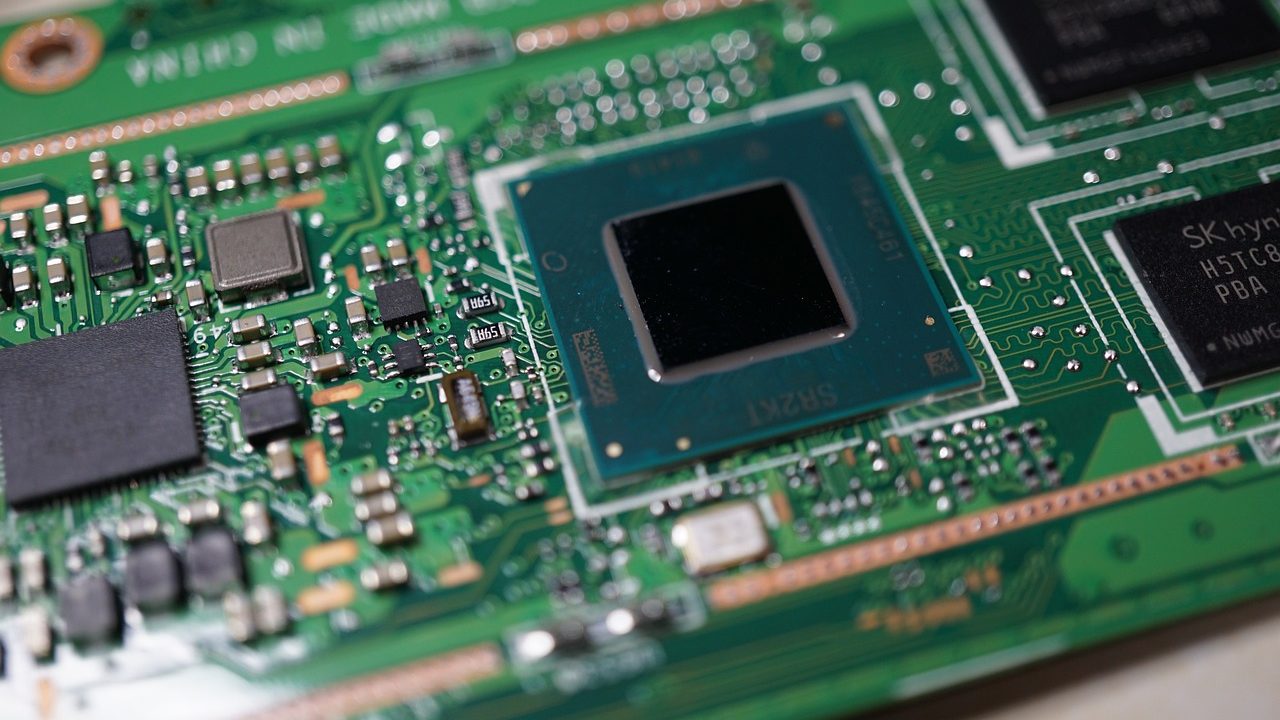
On the hardware side, Pine64's PineVoice speaker drew attention for combining a fifty-dollar price point with a RISC-V processor and native Home Assistant integration. For the home-automation community, the appeal is a locally-running voice interface that does not connect to Amazon or Google infrastructure, at a price competitive with Echo Dots. HN commenters were cautiously optimistic, noting Pine64's track record of shipping interesting hardware that requires patience through early firmware cycles.