Four-Dollar Wi-Fi Adapters, Sixty-Three Years of Cartography, and the Hardware Hacker Ethos
How this was made Verified AI
Every Intellegix briefing is generated from that day's broadcast and run through automated checks before it publishes — with a human paged on any flag. Here is the trail for this edition.
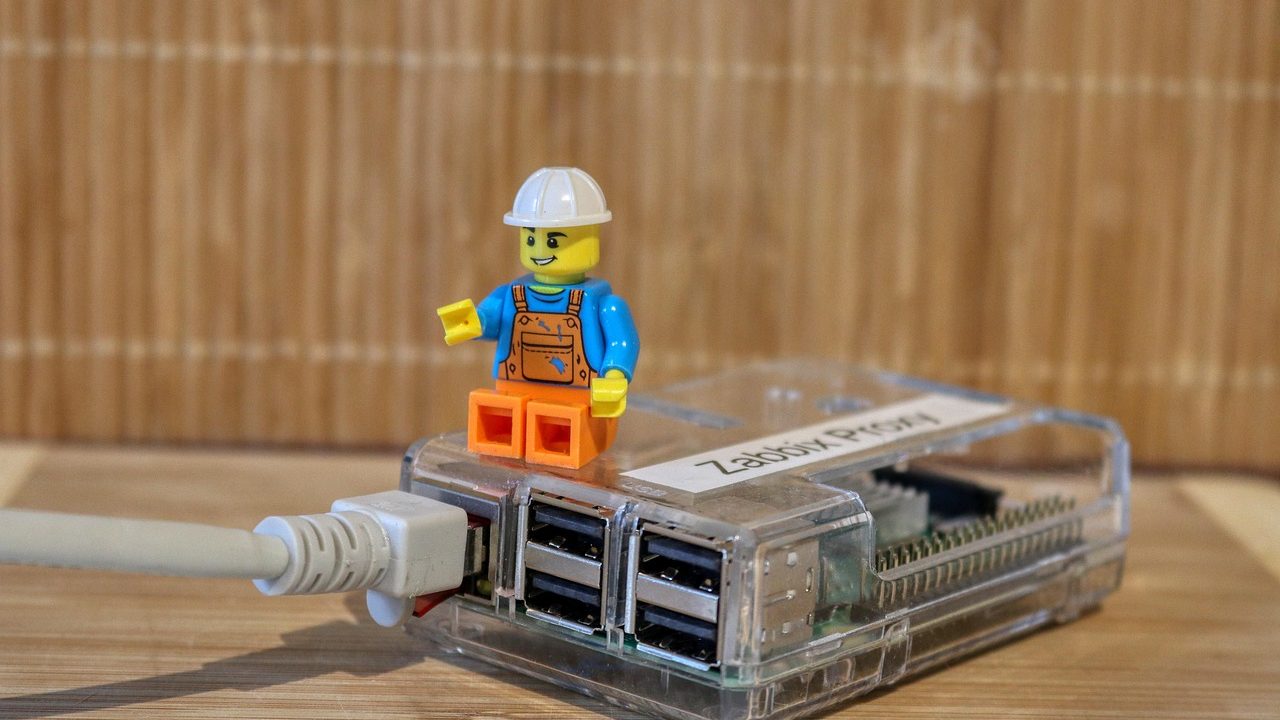
One developer found a way to run firmware on a Raspberry Pi Pico W — a microcontroller that retails for roughly four dollars and includes built-in Wi-Fi — that causes a host computer to recognize it as a USB Ethernet adapter. From the host's perspective the device presents as a wired network connection; the microcontroller handles the Wi-Fi side invisibly. Throughput and latency won't win benchmarks, but for embedded systems, older laptops, or industrial hardware with USB ports and no native Wi-Fi, the solution is practical and essentially free. A separate macOS fix drew similar appreciation: certain MacBook models exhibit cursor lag after the display idles, and the workaround involves instructing macOS to record one pixel of screen output every ten seconds, tricking the power management system into treating the display as continuously active. The diagnosis required meaningful reverse engineering of macOS display management internals; the fix is a trivial timer loop.
The story drawing the most points among the humanistic entries — 490 — was a profile of Jerry Gretzinger and his map. Gretzinger has been adding to a single hand-drawn cartographic artwork since 1963. The work now spans hundreds of square feet of panels and incorporates a card-based randomness system: certain cards instruct him to destroy sections, others to expand in particular directions. The HN community's enthusiasm for this project says something about what engineers find beautiful. The map is the anti-SaaS: no subscriptions, no deprecation schedules, no pivots. Just a person sustaining a creative act across most of an adult lifetime because the making itself is the point.
A Show HN entry for an ASCII 3D rendering engine at glyphcss.com earned 158 points by demonstrating that readable 3D geometry can be approximated entirely through the visual density of text characters — an approach with roots in the demo scene culture of the 1980s and early 1990s. Alongside it, researchers are reportedly experimenting with printing Gaussian splats — the novel-view-synthesis representation format behind recent 3D reconstruction demos — as physical objects, translating a screen-optimized data format into something tangible.