Slow Breathing, Information Overload, and a 15-Minute Lyme Test
How this was made Verified AI
Every Intellegix briefing is generated from that day's broadcast and run through automated checks before it publishes — with a human paged on any flag. Here is the trail for this edition.
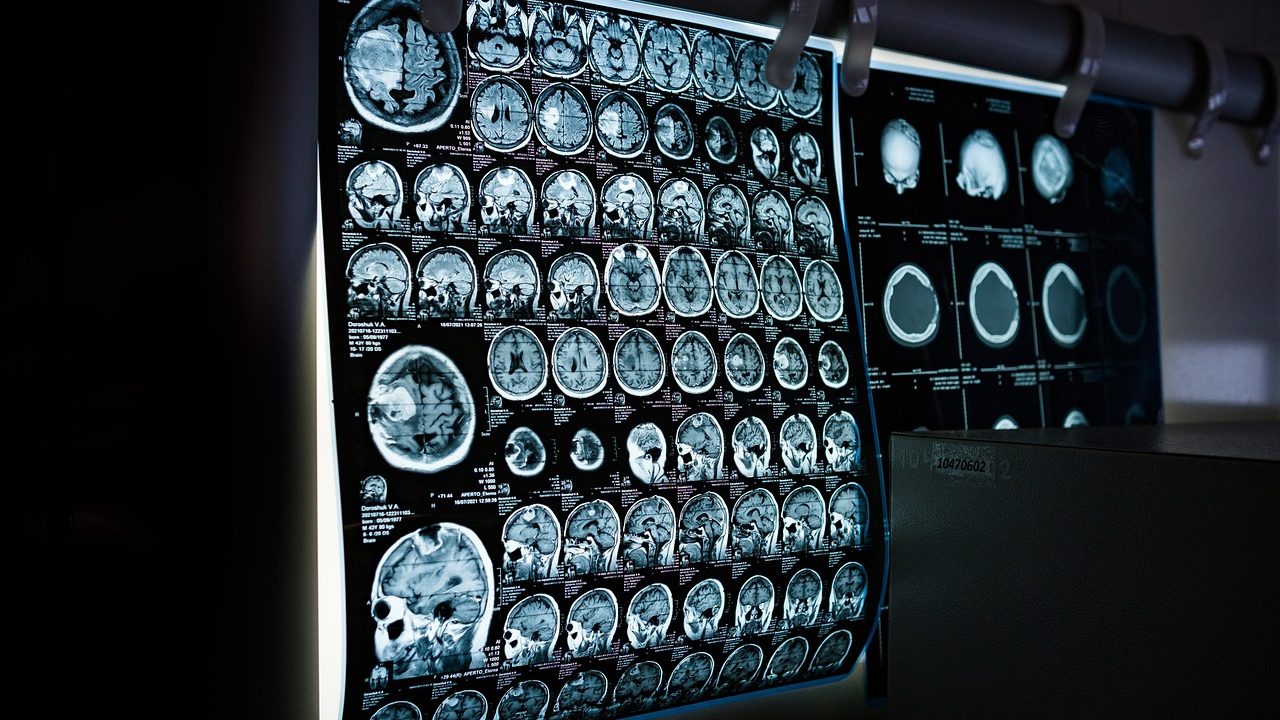
A paper published in Neuron found that slow-paced breathing measurably modulates brain function and affects risk-taking behavior. Participants who practiced slow breathing showed reduced activity in the amygdala — the brain's threat-response center — and made more conservative risk assessments in controlled decision tasks. The researchers propose the mechanism runs through the vagus nerve, which connects the brainstem to major organs including the heart and lungs. Slow breathing increases heart rate variability, a signal associated with parasympathetic — rest-and-recover — nervous system activation. Hacker News commenters noted that the study provides a mechanistic explanation, via fMRI imaging and behavioral measures, for what breathing-based practices have claimed empirically for a long time.
A companion Science Daily piece summarized research suggesting the human nervous system has no effective adaptation for continuous exposure to global negative events. Human threat-detection evolved for local, immediate dangers that could be addressed behaviorally. When the danger is global, continuous, and unactionable, the same systems stay activated without resolution, producing chronic low-grade stress that researchers say degrades decision-making, empathy, and cognitive performance. The Hacker News discussion was notably self-aware: a community defined by its appetite for information grappled seriously with the cognitive costs of that appetite, with several commenters describing deliberate practices such as news fasts and time-limited reading.
A company has developed a 15-minute at-home test for Lyme disease detectable at the moment of tick removal. Current diagnosis relies on blood antibody tests that cannot detect early infection because antibodies take weeks to develop — by which time the disease may have progressed. The new test reportedly detects tick-specific proteins indicating a tick has been attached, enabling testing at the point of exposure. Lyme disease affects an estimated 476,000 Americans per year, according to the source; early antibiotic treatment is highly effective, while late-stage infection can produce chronic neurological and joint symptoms. Hacker News commenters noted the test still requires regulatory approval and raised questions about false negative rates — a negative result at removal does not rule out transmission if the tick was attached long enough.
The segment also touched on the antitrust context surrounding several of the day's infrastructure stories. The foundational U.S. law, the Sherman Act of 1890, prohibits monopolization — not monopoly itself. Courts distinguish between a dominant market position achieved through superior products and one maintained through exclusionary conduct. Modern tech cases hinge on defining the relevant market and evaluating whether conduct like Apple's App Store review process or Cloudflare's expanding platform role reflects legitimate product design or anticompetitive exclusion. The practical implication, as framed in the discussion, is that technical decisions made by companies with significant market power carry legal dimensions that purely engineering analysis does not capture.