Vintage Hardware, Digital Archaeology, and the Enduring Craft of Systems Programming
How this was made Verified AI
Every Intellegix briefing is generated from that day's broadcast and run through automated checks before it publishes — with a human paged on any flag. Here is the trail for this edition.
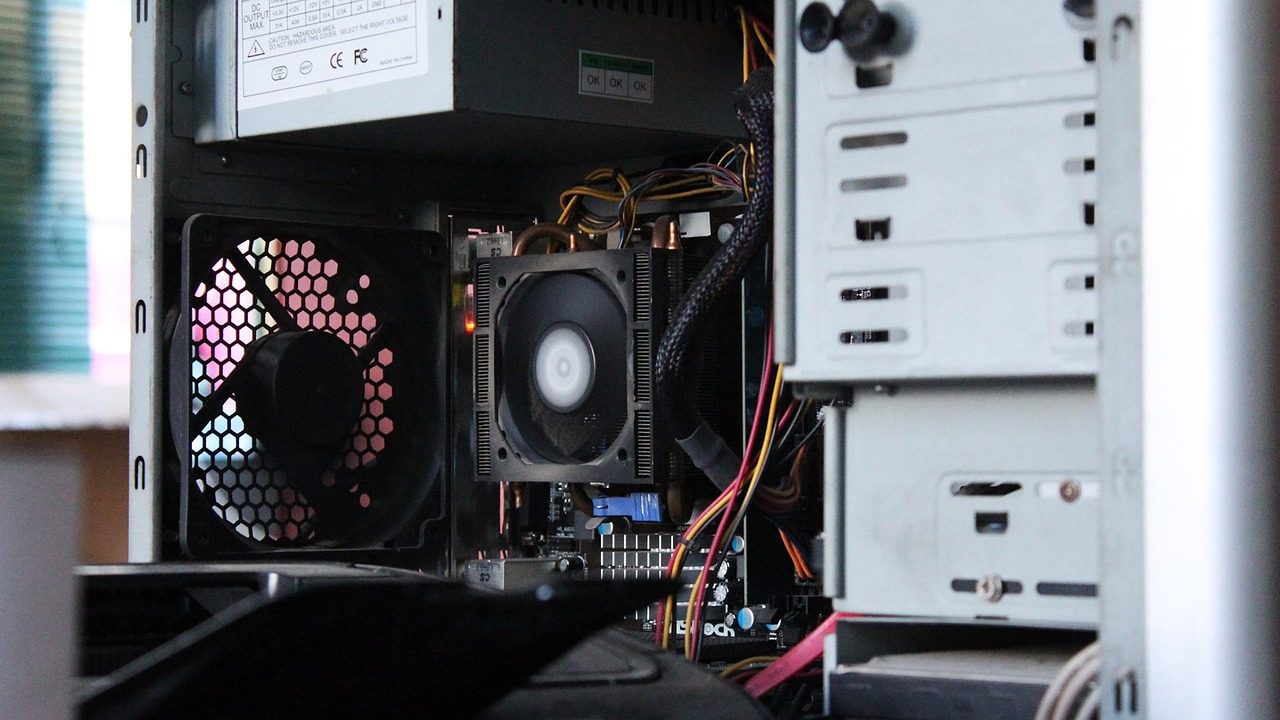
A project porting the ThinkPad X61 to Coreboot firmware illustrates the specialized engineering required to extend older hardware's useful life while meeting contemporary security standards. The X61 uses Intel's i965 chipset, whose complex memory controller initialization sequences and underdocumented proprietary interfaces require deep knowledge of x86 architecture and hardware bring-up procedures to reverse-engineer. For organizations with high-security requirements or embedded applications — where verifying every piece of firmware code is non-negotiable — Coreboot's open and auditable nature is a practical necessity, not a hobbyist indulgence.
A separate project called GentleOS is drawing attention for recreating the aesthetic simplicity of classic operating systems in a modern implementation. Though not targeted at practical daily computing, it reflects a broader current of interest in minimalist software environments that prioritize user agency over engagement mechanics — and demonstrates that building even a simple operating system demands genuine mastery of hardware interfaces, memory management, and user-space abstractions.
Old'aVista, a search engine for historical web content, addresses what its creators frame as a market failure: the original directories and search engines that indexed the early internet are largely gone, and modern search tools do not effectively surface archived material. Building search that functions coherently across decades of evolving document formats, character encodings, and link structures requires careful engineering. The project reflects growing recognition that early digital content constitutes cultural heritage worth preserving and retrieving.
Rounding out the systems-programming discussion, a Haskell-to-JVM library called H2JVM drew interest for bridging functional and object-oriented paradigms by allowing Haskell code to produce JVM bytecode directly. The approach could enable performance-critical applications to combine functional programming's expressiveness with the JVM's mature optimization infrastructure.