Apple Abandons 'Not Invented Here' as Google Gemini Powers New AI Strategy
How this was made Verified AI
Every Intellegix briefing is generated from that day's broadcast and run through automated checks before it publishes — with a human paged on any flag. Here is the trail for this edition.
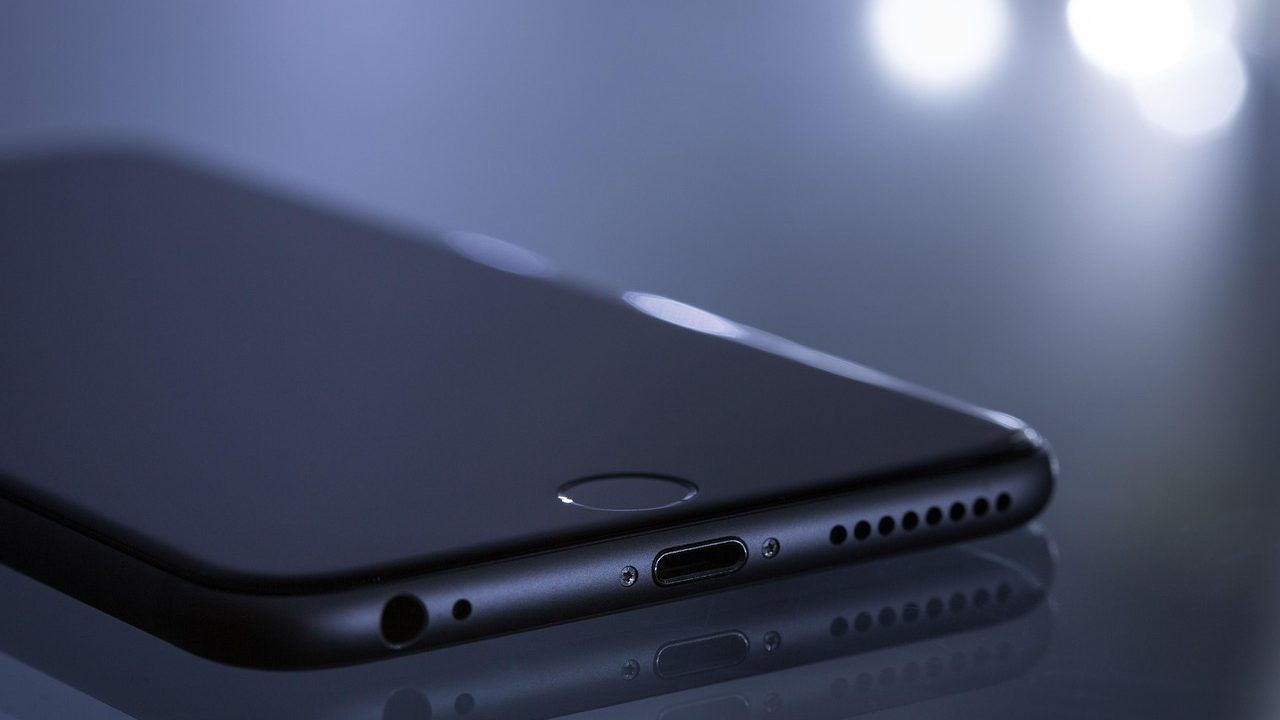
Apple is reportedly building its new AI architecture around Google's Gemini models — a move that represents a striking departure from the company's decades-long philosophy of vertical integration and full-stack control. The announcement, which drew more than 600 votes and nearly 500 comments on Hacker News, arrives alongside the release of Apple's Core AI Framework and a new Siri AI announcement, suggesting the company is rushing AI capabilities to market rather than waiting years to develop competitive foundation models internally.
The architecture Apple describes is a hybrid one: sensitive personal data is processed on-device using Apple's own chips, while more complex reasoning tasks are routed to Gemini models running in what the company calls 'privacy-preserving cloud environments.' Seamlessly orchestrating between local and remote inference at iPhone scale, while honoring Apple's privacy commitments, represents an enormous technical challenge. The arrangement almost certainly involves substantial financial commitments to Google, raising questions about the unit economics of Apple's services business, which has served as the company's primary growth engine.
Critics in the Hacker News community have expressed skepticism about whether Apple can genuinely maintain its privacy positioning while routing complex queries through Google's infrastructure. Apple has cited sophisticated differential privacy and secure multi-party computation as safeguards, though implementing such systems at scale is, by any measure, unprecedented.
The announcement coincided with a serious security incident at Microsoft, where open-source developer tools were reportedly compromised to steal passwords from AI developers — a breach targeting the authentication mechanisms used to access training clusters, model repositories, and deployment infrastructure. The attack vector, analysts noted, suggests nation-state-level capabilities. The incident underscores how AI systems have crossed into critical infrastructure territory, and paradoxically lends some support to Apple's hybrid approach: by keeping sensitive operations on-device and anonymizing queries sent externally, the company limits its attack surface relative to fully cloud-dependent architectures, even as it accepts new risks around model supply chain security.
Apple's dependency on Google also carries geopolitical dimensions. Should international trade tensions escalate or new AI export restrictions emerge, the intelligence layer underpinning Apple's entire ecosystem could be directly affected — a risk that would have been unthinkable under the company's previous strategy of building critical technology in-house.