Rust, Zig, and the EU's Bet on Open Source Sovereignty
How this was made Verified AI
Every Intellegix briefing is generated from that day's broadcast and run through automated checks before it publishes — with a human paged on any flag. Here is the trail for this edition.
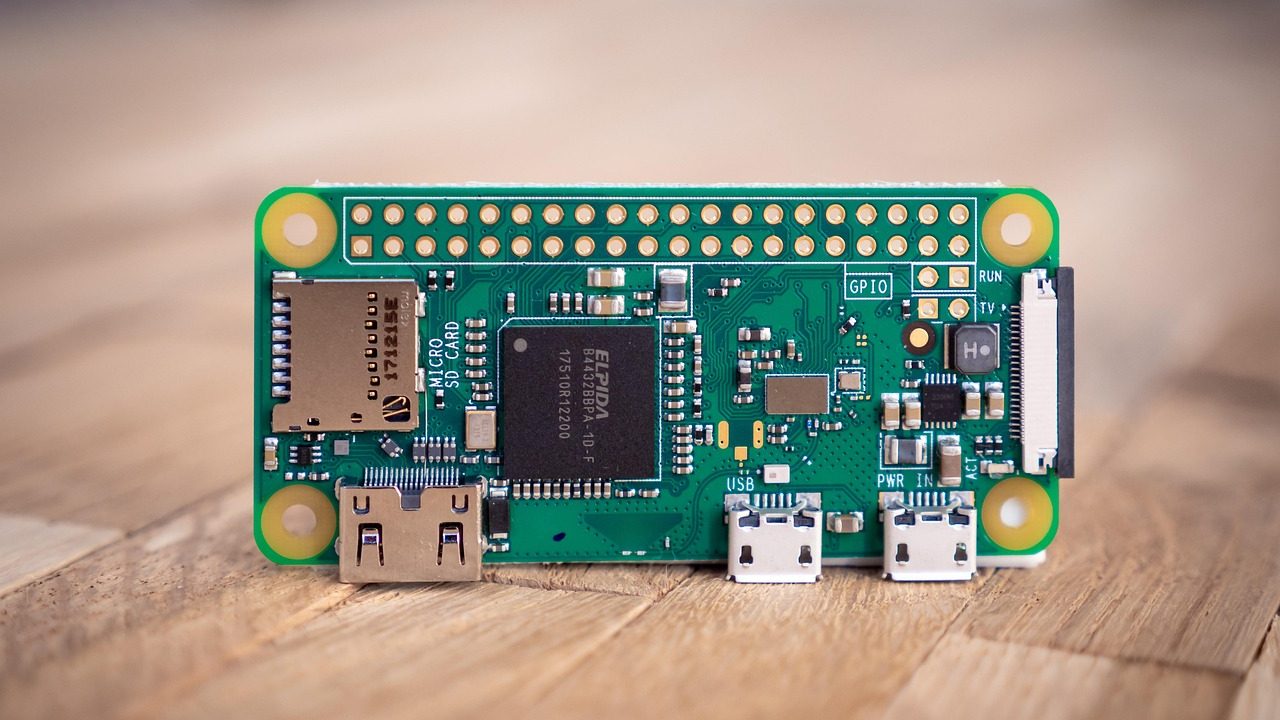
A developer published a working implementation of a Matter-protocol Wi-Fi light bulb written in Rust on the Raspberry Pi Pico 2 W, a project that drew attention less for the end product than for what it demonstrated: a complete, interoperable smart-home device built on entirely open source software running on hardware that costs under twenty dollars.
Matter, designed to create interoperability between smart-home devices from competing manufacturers, imposes demanding constraints on low-power microcontrollers. The implementation uses Embassy, an async runtime for Rust, to handle Wi-Fi connectivity, Matter protocol communication, and hardware control concurrently on a single-core chip without blocking operations. Commenters noted that Rust's memory-safety guarantees are particularly valuable in embedded contexts where debugging is difficult and failures can be costly.
Separately, a detailed explanation of Zig's 'structs of arrays' memory layout pattern attracted interest as an example of systems programming knowledge becoming more broadly accessible. The pattern optimizes memory access for certain data-processing workloads and was presented as illustrative of the kind of low-level technique that can determine whether performance is acceptable or exceptional.
At the policy level, the European Union released its new Open Source Strategy, framing open source adoption across government operations explicitly as a matter of technological sovereignty rather than cost savings alone. The strategy reportedly includes commitments to contribute back to open source projects, fund critical software infrastructure, and develop EU-based alternatives to key proprietary components.
The strategy's premise — that coordinated public investment can reduce dependence on non-EU proprietary platforms — drew scrutiny in the Hacker News discussion. Skeptics argued that dominant platforms derive competitive advantages not just from core functionality but from decades of integrations, third-party ecosystems, and user familiarity that are difficult to replicate through policy. Proponents countered that open source has already proven viable in critical infrastructure, citing Linux, Apache, and PostgreSQL, and that the relevant question is whether public investment can accelerate development where market incentives have been insufficient. Observers suggested the key signal to watch would be whether EU-funded projects attract substantial non-European adoption and contribution, or remain primarily regional initiatives.