GPU Memory as Swap, Portable ARM Assembly, and Robots That Breathe
How this was made Verified AI
Every Intellegix briefing is generated from that day's broadcast and run through automated checks before it publishes — with a human paged on any flag. Here is the trail for this edition.
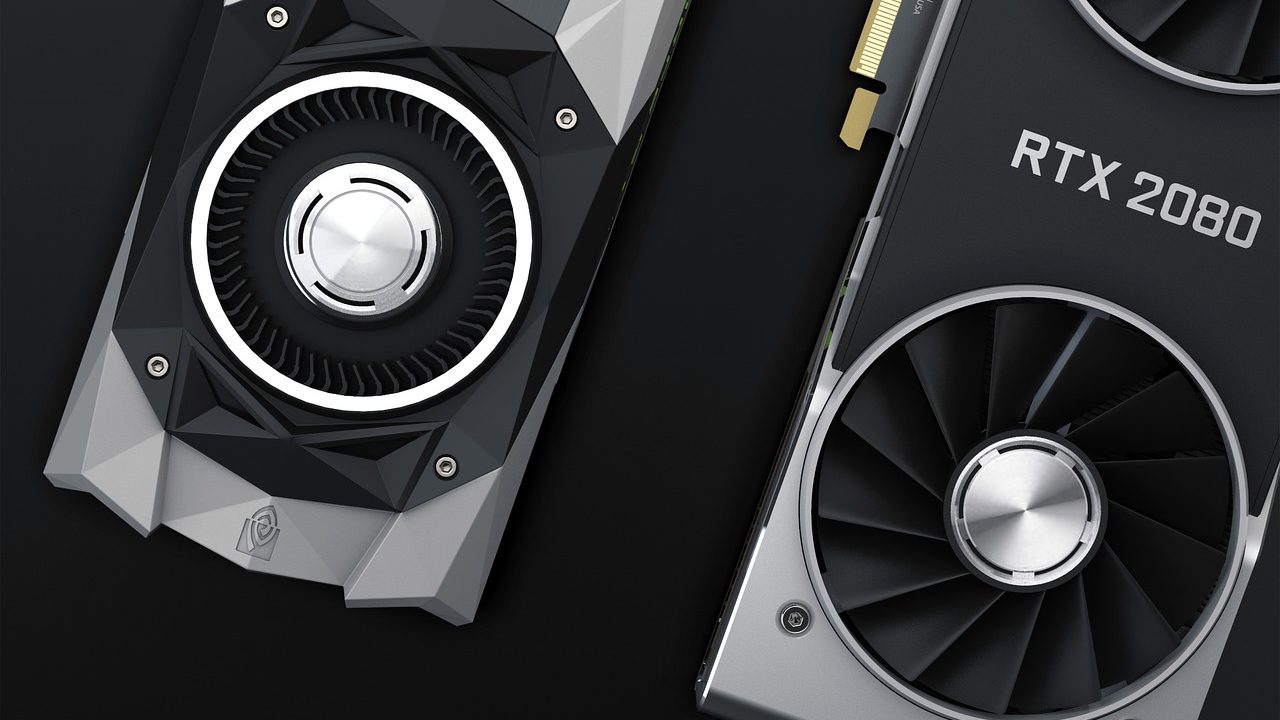
A project enabling NVIDIA GPU VRAM to serve as Linux swap space generated considerable technical discussion. The implementation uses network block device protocols to present GPU memory as a block device. While latency characteristics differ from system RAM, the approach is still substantially faster than storage-based swap and could extend the useful life of machines that are memory-constrained but GPU-rich — a profile common in machine-learning development environments.
Separately, discussion around portable ARM64 assembly programming reflected the broader shift in the processor landscape. Unlike x86, where Intel largely standardized the architecture, ARM licensees have considerable flexibility in their implementations, meaning pipeline depths, cache hierarchies, and instruction-scheduling characteristics vary meaningfully across chips. Apple's ARM-based processors, Amazon's Graviton line, and other server offerings mean developers can no longer assume x86 compatibility, making cross-implementation assembly knowledge increasingly relevant.
A pneumatic bipedal robot project drew interest for its biomimetic approach to locomotion, using air muscles rather than conventional electric motors. Pneumatic actuation more closely mimics biological muscle systems, producing softer and more compliant movement that could make robots safer and more practical in close proximity to people. The tradeoffs are real — pneumatic systems require compressed air sources, complex valve control, and more intricate stabilization algorithms — but the compliance and shock-absorption characteristics could prove decisive for robots intended for healthcare, eldercare, or domestic assistance, where rigid, motor-driven machines face significant adoption barriers.