Heat, Civic Action, and a Historic Night at Petco: San Diego's Thursday in Full
A sustained extreme heat event baking San Diego County — with desert highs forecast between 108 and 112 degrees and overnight lows offering little relief — is stress-testing every public system in the region simultaneously, from the power grid to outdoor commerce to emergency response.

“Airbnb spent at least $672,198 in four months opposing a single San Diego tax proposal — a figure that reportedly represents roughly one-quarter of all city expenditure lobbying tracked since 2019”
How this was made Verified AI
Every Intellegix briefing is generated from that day's broadcast and run through automated checks before it publishes — with a human paged on any flag. Here is the trail for this edition.
A Region Under Pressure: San Diego Wakes to Exceptional Heat

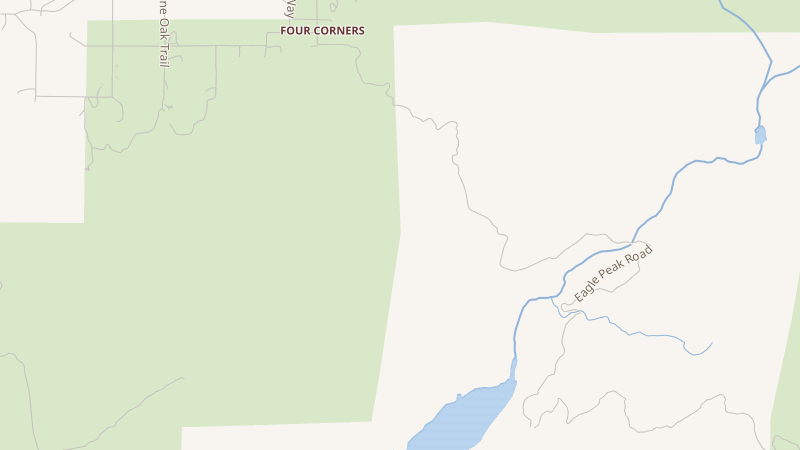
Thursday, September 10th, 2026, arrives in San Diego County with temperatures running 10 to 15 degrees above seasonal norms at every elevation, from the coast to the desert floor. The National Weather Service's extreme heat alert, in effect through 8 p.m. Thursday, covers a county whose geography spreads conditions dramatically: coastal highs of 82 to 94 degrees, inland valleys reaching 93 to 103, mountain communities facing 85 to 99, and desert areas bracing for 108 to 112 degrees Fahrenheit.
The heat's grip extends well past sundown. Morning lows in the mid-70s to low 80s along the coast and through inland communities mean that residents without air conditioning, outdoor workers beginning early shifts, and anyone exercising before sunrise are not receiving the overnight recovery that a typical San Diego September provides. That compounding effect is where heat illness risk concentrates.
A secondary hazard is tracking alongside the heat: isolated afternoon and evening thunderstorms are possible near the mountains. These are high-based cells capable of producing brief heavy rain, localized flooding, small hail, and gusty winds — without delivering meaningful temperature relief. Drivers on SR-67, Sunrise Highway, and other mountain routes are advised to monitor conditions closely through Thursday evening.
The fragility of the region's infrastructure under sustained heat was illustrated over the preceding weekend, when an unplanned outage attributed to severe weather conditions left more than 10,000 SDG&E customers without power across Solana Beach, Encinitas, Cardiff-by-the-Sea, and Torrey Pines. Power was restored late Monday. Public health guidance Thursday emphasizes limiting strenuous outdoor activity during midday hours, hydrating ahead of thirst, and never leaving people or animals in parked vehicles, where interior temperatures can reach 130 degrees within 20 minutes.
The Heat as Multiplier: Commerce, Community, and Emergency Response All Feel the Strain

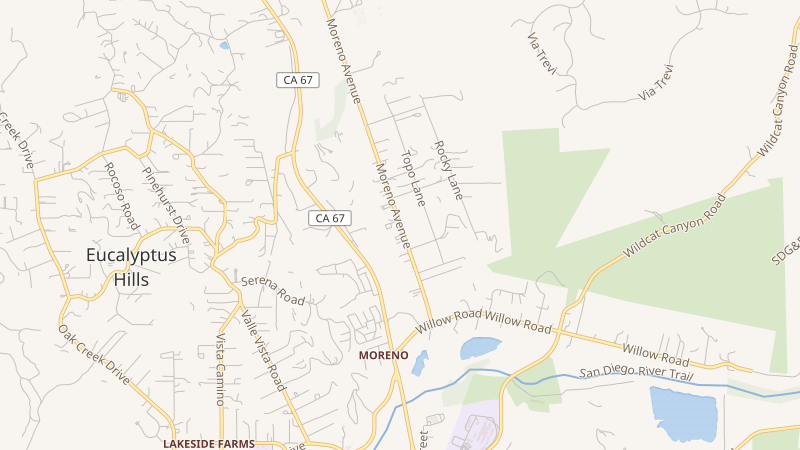
The extreme heat event is functioning as a stress test for every county system at once — and its effects are reaching into corners of daily life that thermometer readings alone do not capture. The Santee Farmers Market was canceled Thursday due to the conditions, though two vendors reportedly still appeared to serve their regular customers. Outdoor market concrete can run 40 degrees hotter than ambient air temperature, making even a well-intentioned vending day a genuine physical risk.
The new Lakeside Farmers Market, scheduled to hold its grand opening Thursday afternoon at 3 p.m. at Equine Event Services on Moreno Avenue, remained on as of Thursday morning, but organizers advised residents to verify status before attending. A Lakeside Chamber ribbon cutting was set for 3 p.m., followed by vendors, live music, and beer-and-wine service through 7 p.m.
The heat is also shaping the conditions under which unrelated public safety events unfold. A fatal vehicle pursuit crash in Barrio Logan occurred Wednesday morning in temperatures exceeding 95 degrees — conditions that affect witnesses, investigators, and emergency responders alike. The heat does not merely generate its own incidents; it complicates every incident happening alongside it.
Board Acts on Small Business, Consumer Protection, and the Tijuana River Crisis

The San Diego County Board of Supervisors has moved on several significant policy fronts in recent days. A unanimous vote approved a $300,000 revolving loan fund for local small businesses, brought forward jointly by Supervisors Joel Anderson and Monica Montgomery Steppe — a pairing across the board's ideological divide that underscores broad recognition of the access-to-capital problem facing the county's small business community. As a revolving fund, capital is disbursed as loans, repaid, and recycled to subsequent borrowers, allowing the pool to serve multiple businesses over time. The administering organization and loan-size parameters have not yet been publicly specified.
The board also appointed Alysson Snow — currently mayor of Lemon Grove and a professor at the University of San Diego School of Law — to lead its new Consumer Fairness and Public Protection unit. The unit's mandate covers consumer scams, hidden fees, unsafe products, unfair insurance denials, and pollution-related harms affecting residents and small businesses. The board approved the unit's creation earlier this year; Snow's appointment marks the transition from concept to operation.
In a separate action on September 1st, the board voted to build a county sewage-treatment system as a direct response to the ongoing Tijuana River cross-border sewage crisis, which has closed beaches and created recurring public health emergencies for years. The decision to construct county-owned treatment infrastructure represents a structural response — rather than a diplomatic one — and reflects an apparent board conclusion that federal or binational solutions have not moved at adequate speed.
Mayor Todd Gloria is in Japan this week for the 70th anniversary of San Diego's sister-city relationship with Yokohama, where he is meeting with Japanese government and business leaders on investment and economic development. No specific deals have been announced. No San Diego City Council vote or ordinance action from the preceding 24 to 48 hours surfaced in available public reporting.
Fatal Pursuit, a Closed Case Revisited, and an ICE Arrest Near City College
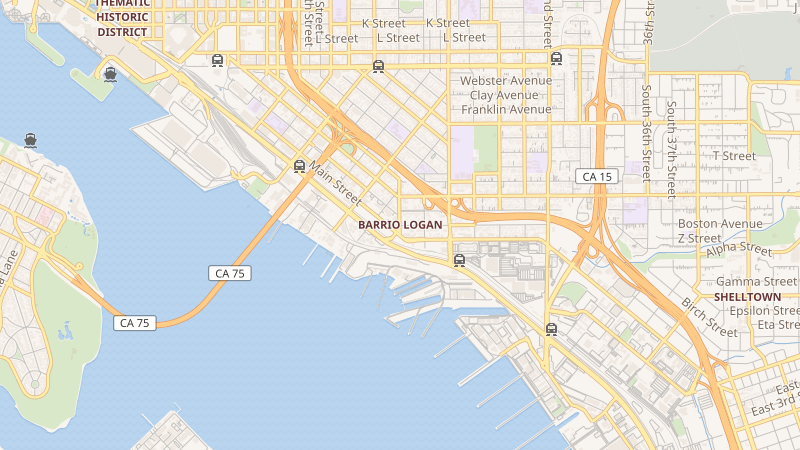
A vehicle being pursued by San Diego police crashed into a light pole in Barrio Logan on Wednesday morning, killing one person. The investigation is ongoing. Pursuit crashes remain among the most contested policy questions in local law enforcement, centering on the tension between apprehending a suspect and the risk a high-speed chase creates for bystanders and the pursued driver in dense residential neighborhoods.
The Citizens' Law Enforcement Review Board voted 7 to 2 on September 9th not to reopen its prior review of a 2019 confrontation involving Randal Tanner — a man who was stopped because his van had an expired registration and was beaten and paralyzed by sheriff's deputies during that stop. Tanner died in 2023. The board's executive officer cited "no new evidence" as the basis for declining to reopen the case. Two board members dissented.
Near San Diego City College, ICE agents arrested a student near 16th and C streets around 9:30 Tuesday morning. College President Ricky Shabazz confirmed that a second student fled onto campus following the initial encounter. The district confirmed the driver was a student. Chancellor Greg Smith kept the campus open, and the district activated counseling and legal services. The Department of Homeland Security later identified the arrested student as a Haitian immigrant in the country unlawfully. Because the arrest occurred adjacent to campus during school hours and a second student sought refuge on school grounds, students witnessed the encounter directly.
In Poway, three people were hospitalized after a BMW struck the front of North Park Produce on Poway Road. The driver remained at the scene and was cooperating with investigators. Early reports indicated drugs and alcohol were not believed to be factors, and the investigation remains ongoing.
Airbnb's Lobbying Footprint, a Modest Housing Signal, and New Restaurants

A striking concentration of corporate lobbying spending has drawn scrutiny in San Diego's business community. According to a local business report, Airbnb spent at least $672,198 in four months opposing a single San Diego tax proposal — a figure that reportedly represents roughly one-quarter of all city expenditure lobbying tracked since 2019, deployed on one issue over one fiscal quarter. The numbers raise questions about whether the city's transparency and disclosure infrastructure around lobbying expenditure is calibrated for that level of concentrated spending.
On housing, Realtor.com's August analysis shows San Diego recording one of the larger year-over-year declines in listing price per square foot among major markets — down 2.7%, compared with a national decline of 1.8%, which itself marked the tenth consecutive monthly drop in that metric. Listing price data reflects seller ask prices rather than completed-sale figures, but sellers reducing asking prices typically do so in response to market feedback, suggesting at least marginal easing of buyer pressure. The signal of relief is narrow, however: San Diego's median single-family sale price reached $1.099 million in July, still up 5.7% year over year.
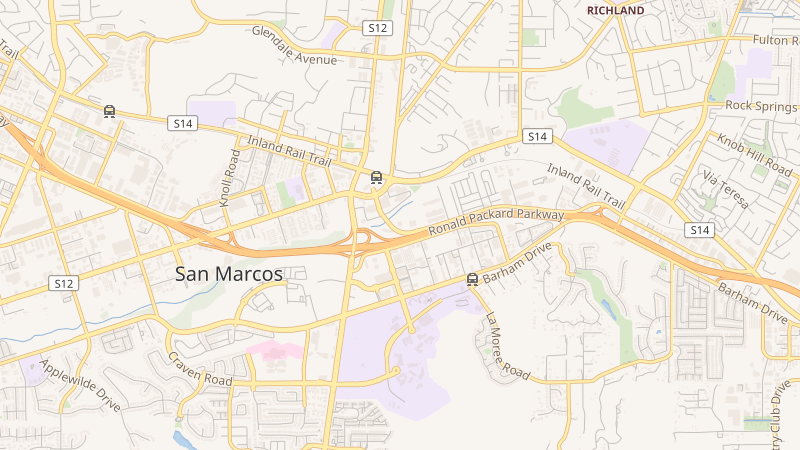
The regional economy continues to show bifurcation between corporate contraction and small-format growth. Stone Brewing layoffs take effect in October, and ServiceNow cuts are expected before the end of September. Against that backdrop, two North County food-and-beverage openings reflect ongoing appetite for independent concepts: Mama Kat's Restaurant and Pie Shop has opened at 288 Rancheros Drive in San Marcos, and Mr. Moto Pizza has launched its 11th location at 8935 Town Center Drive in the UTC area — a competitive, high-traffic restaurant corridor that represents a meaningful test of the independent pizza brand's scalability.
Santee's November Ballot Takes Shape: A Sales Tax Measure and Two Council Races

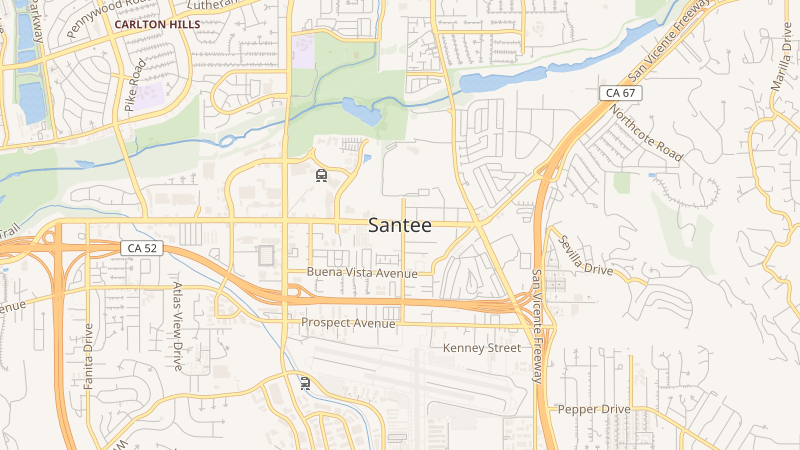
Santee's November ballot was set on September 6th with the official placement of Measure 7 — a proposed 10-year, one-cent general sales-tax increase that would move the local rate from 7.75% to 8.75%. City officials estimate the measure would generate approximately $140 million, framed against what they describe as roughly $327.7 million in unfunded needs. Listed priorities include street and sidewalk repair, parks, public-facility maintenance, aging infrastructure, fire and paramedic capacity, and emergency-response stations.
A structural distinction is central to evaluating the measure: because it is a general tax rather than a special tax, the city council is not legally bound to spend revenue on those listed priorities. A special tax would require a two-thirds supermajority at the ballot but would legally restrict fund use; a general tax clears with a simple majority and gives future councils spending discretion. Advocates for the measure would need to push for a citizen oversight committee with published annual audits to hold the revenue accountable to the ballot language's intent.
Two contested council races run alongside the tax measure. In District 1, incumbent Rob McNelis faces challenger Matthew Rascon. In District 2, incumbent Ronn Hall — the only council member to vote against Measure 7, specifically objecting to the move from a half-cent to a full-cent proposal — faces Eddie Vandiver, who operates Sportsplex USA Santee. The county Republican Party declined to endorse either candidate in District 2, a sign of fracture within the local conservative coalition on the tax question.
Separately, Santee Lakes visitors should be aware that paving work near Lakes 1 through 4 is producing weekday closures and detours from 7 a.m. to 4 p.m., Monday through Friday, through October. Padre Dam Municipal Water District has also noticed a September 16th public hearing at 4 p.m. at 9300 Fanita Parkway, at which directors will consider a potential energy-services agreement to install energy-saving measures on district property; a virtual participation option is available.
Del Sur Students Face Months of Displacement as Mold Remediation Stretches to January

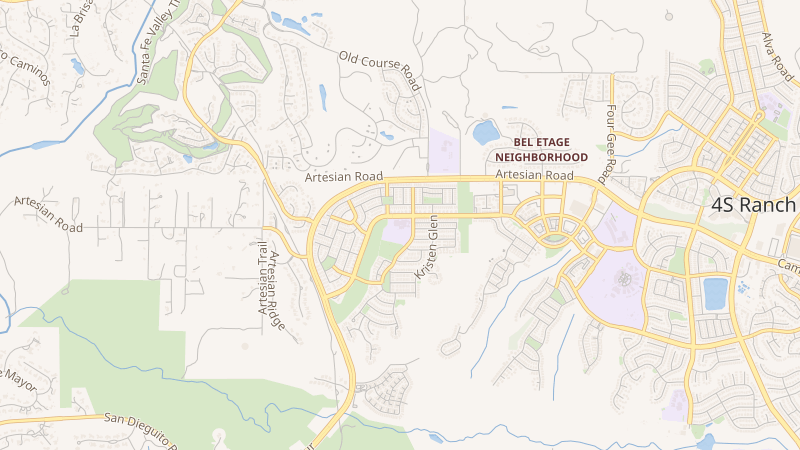
Students from Del Sur Elementary in the Poway Unified School District will remain relocated to Stone Ranch Elementary until at least January 2027, as the district addresses persistent moisture and mold at the Del Sur campus. The extended timeline reflects the technical complexity of mold remediation — a process requiring remediation work, follow-up testing, and building-system checks before students can safely return. Related concerns at Black Mountain Middle School are contributing to broader procedural changes in how the district manages cleaning and moisture response across its facilities.
For Del Sur families, the displacement now covers the core of the academic year — a minimum four-month relocation that carries practical implications around transportation, campus familiarity, and the adjustment demands placed on younger students. Whether the district will publicly explain the root cause of the moisture conditions remains an open question; without identifying that cause, the durability of any remediation is uncertain.