San Diego Braces Through Heat Emergency, Twin Wildfires, and a Week of Unsettling News
With inland temperatures running 15 degrees above normal and two new wildfires igniting within 30 minutes of each other Wednesday afternoon, San Diego County entered Thursday facing a convergence of emergencies — while federal immigration arrests surged, a Point Loma standoff ended fatally, and a Santee worker lost both legs in a roadway collision.

“approximately 60 percent of people arrested in July had no criminal conviction and no pending criminal charge at the time of their arrest”
How this was made Verified AI
Every Intellegix briefing is generated from that day's broadcast and run through automated checks before it publishes — with a human paged on any flag. Here is the trail for this edition.
A Region Under Pressure

Thursday, August 27, 2026 arrived in San Diego County with the thermometer already pushing toward 108 degrees in the inland valleys, two new wildfires burning on private land, and a blood bank running critically low on supplies — a backdrop that colored nearly every other story of the day.
Intellegix San Diego Daily, an independent AI-curated podcast aggregating public reporting from outlets including the Union-Tribune, KPBS, inewsource, and Santee Pulse, covered the full sweep of regional news: an immigration enforcement surge drawing civil liberties scrutiny, a fatal police shooting now under Sheriff investigation, a municipal golf audit that illuminates a $108 million budget hole, and a Santee collision story with a devastating update.
Heat Emergency and Twin Wildfires Grip the County Through Friday

The National Weather Service's Extreme Heat Warning, running from 10 a.m. Tuesday through 8 p.m. Friday, August 28, placed San Diego County's inland communities in a genuine public health emergency. KPBS reporting put La Mesa temperatures in the range of 97 to 99 degrees through Thursday and Friday — a stretch of heat that falls hardest on neighborhoods with older housing stock and residents without central air conditioning.
San Diego Unified activated high-heat protocols while keeping campuses open, a deliberate choice rooted in the argument that schools offer air-conditioned, supervised environments that may be safer than sending students home to potentially hotter conditions. The district moved outdoor activities indoors, rescheduled strenuous recess and athletics to cooler parts of the day, expanded water access, and directed health staff to actively monitor for symptoms. High school coaches reportedly hold heat-illness-prevention certifications, and school nurses are trained to recognize and manage heat emergencies.
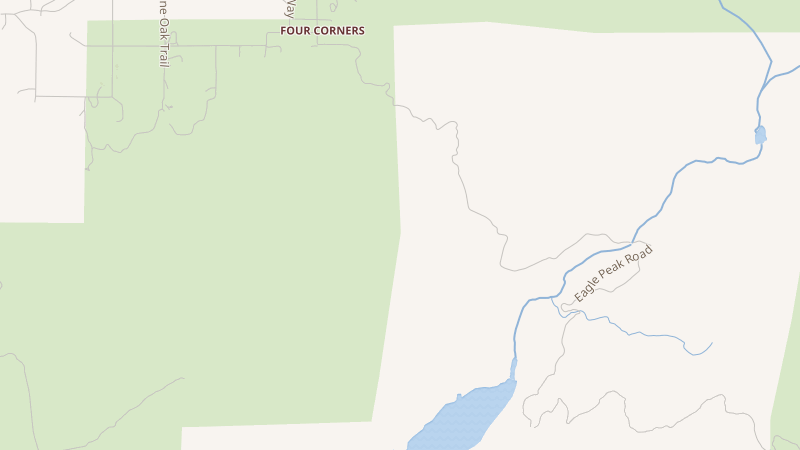
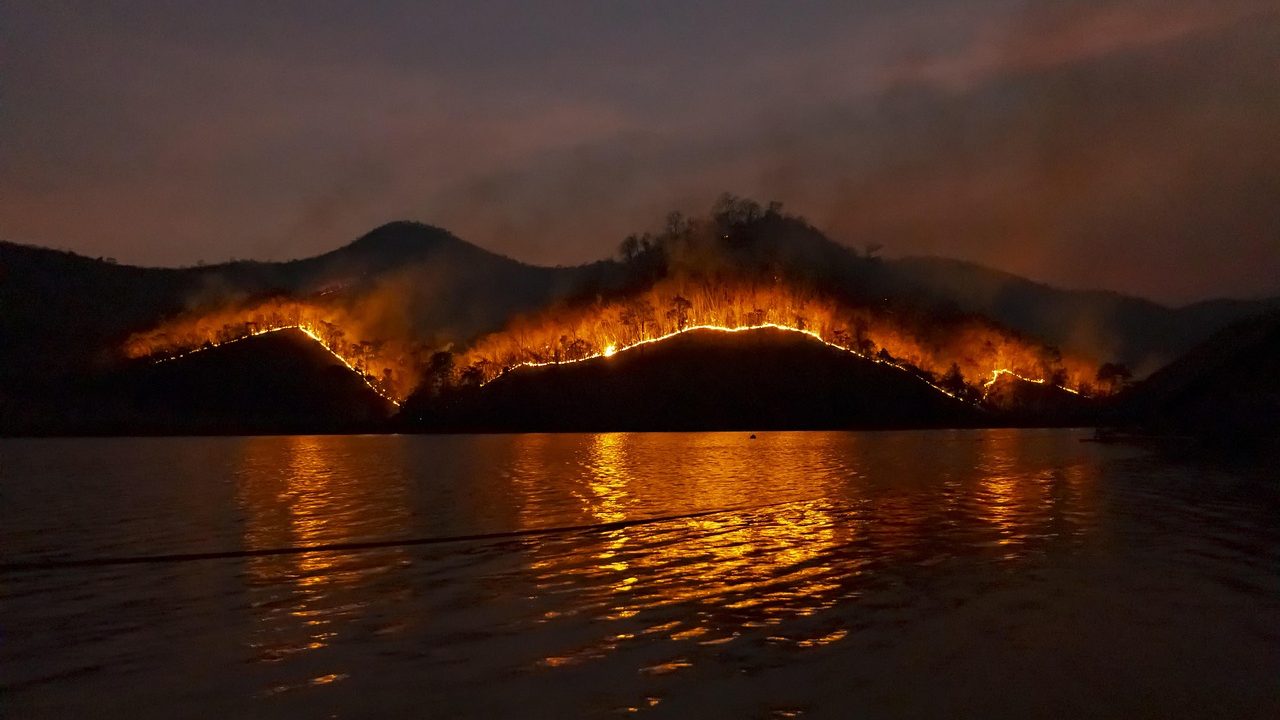
Two new fires ignited Wednesday afternoon against this overheated backdrop. The Diamond Fire was reported at 4:24 p.m. and the Rocky Fire followed at 4:55 p.m., both on private land in San Diego County. As of early Thursday, no containment figures or confirmed cause information had been released. With temperatures elevated and afternoon humidity dropping, officials warned that small ignitions can escalate rapidly.
County health officials urged residents to avoid strenuous outdoor activity during afternoon hours, carry water, keep phones charged, and recognize the signs of heat illness — including dizziness, confusion, nausea, excessive sweating, or skin that feels hot and dry without sweating, the last of which signals heat stroke and requires immediate emergency response. Residents subscribed to AlertSanDiego notifications were advised to treat any alerts as high priority through Friday evening.
Immigration Arrests Surge 50 Percent; Point Loma Standoff Ends in Fatal Shooting
ICE made nearly 2,000 arrests across San Diego and Imperial counties in July — roughly 50 percent more than June's figure of approximately 1,300 arrests, according to the Deportation Data Project. The figure drawing the sharpest scrutiny from community and civil liberties organizations is this: reporting based on those same records indicates that approximately 60 percent of people arrested in July had no criminal conviction and no pending criminal charge at the time of their arrest, meaning the enforcement surge is not primarily targeting individuals with criminal records.
Community organizations reported specific enforcement activity in City Heights, Encinitas, and along State Route 76 — corridors that include some of the region's densest immigrant communities and a significant agricultural worker population. When enforcement concentrates in those areas, the effects ripple through schools, workplaces, and community organizations. The San Diego County Board of Supervisors voted 3-2 on August 18 to end ICE and CBP use of county firearms training facilities; the Sheriff's Department separately published a release confirming it is ending ICE use of training facilities and the firing range, while maintaining what appears to be an independent carve-out for CBP training at Otay Mesa — creating a nuanced gap between county policy and Sheriff's operational decisions.
Separately, San Diego police shot and killed a man Tuesday night after a nearly six-hour standoff at a home in the 2700 block of Nipoma Street, near Point Loma and Loma Portal. Officers were initially called at approximately 3:30 p.m. for a welfare check on a person reportedly armed with a knife. Authorities described the man over the course of the evening as an armed burglary suspect. At approximately 9:20 p.m., he emerged from the home holding a gun; officers fired, and he was pronounced dead at 9:40 p.m. No officers were injured.
The Sheriff's Homicide Unit is leading the investigation under the countywide outside-agency protocol, standard procedure when SDPD is involved. As of early Thursday, neither the man's identity nor the names of the involved officers had been released. The six-hour duration of the standoff suggests negotiations were attempted extensively before the situation escalated, and questions about how a welfare call ended in a fatal shooting are expected to surface as the investigation proceeds.
At the August 25 City Council meeting, members passed a resolution condemning federal political interference in higher education and affirming support for academic freedom, research, diversity, and the safety and rights of students and staff. The council also received a performance audit on the City's eight leased municipal golf properties, which cover more than 800 acres of publicly owned land. Operators generated $34 million in gross revenue from those courses in fiscal year 2025; the City received $3.5 million in rent for calendar year 2024 — $1.5 million to the General Fund and $2 million to the Water Fund. With City officials projecting an average annual General Fund shortfall of $108 million through fiscal year 2031, that revenue ratio is likely to invite pointed scrutiny over lease terms, expiration dates, and renegotiation rights.
Flat Prices and a $33.6 Million Escondido Deal Define a Bifurcated Housing Market


The most recent three-month Redfin figure puts San Diego's median sale price at $984,000 for the period ending June 2026, essentially flat year-over-year at a 0.07 percent gain. That near-zero growth sits alongside a separate July figure showing the single-family home median at $1.099 million with a 5.7 percent year-over-year increase — a discrepancy that reflects methodology differences between all-property and single-family-only measurements, and illustrates a bifurcated market in which strong single-family values are offset by softer condo and townhome prices.
Neither number, however, represents a market that has opened meaningfully to first-time buyers or middle-income families. Mortgage rates on 30-year fixed products remain around 6.69 percent, keeping the cost of entry steep regardless of which median figure a prospective buyer references.
On the commercial side, two Encinitas retail properties on Coast Highway 101 and 571 2nd Street sold for a combined $8.3 million this week, a data point for investors and small business owners tracking acquisition and lease costs along one of North County's highest-traffic retail corridors. The larger transaction was in Escondido: the Pacifica Palms Apartments, a 189-unit multifamily property, traded for $33.6 million on August 26, handled by Institutional Property Advisors. That works out to roughly $177,000 per unit.
The Escondido deal arrives against a countywide apartment market showing signs of softening — Moody's is projecting nearly 5,900 new units added countywide in 2026 with average effective rent growth of just 1.2 percent. Buying 189 units at that price in that environment amounts to a long-term bet on demand outpacing near-term supply additions. Critics of institutional multifamily investment note that new supply at those price points does little to relieve the affordability pressure on rent-burdened households at the lower end of the market, where the gap between what gets built and what families can afford remains structurally wide.
East County: No New Developments

Santee and East County produced no new public-record developments Thursday. Coverage will resume as new information emerges.
Santee Worker Loses Both Legs; Schools Face Scrutiny Over Heat Protocols

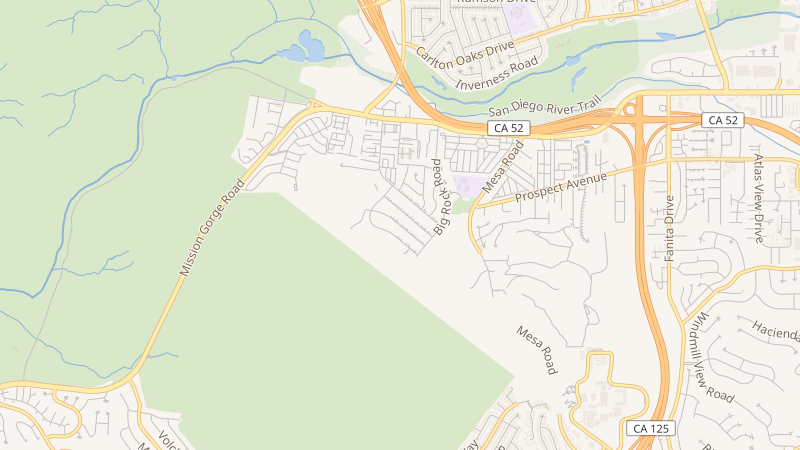
Shawn Bell, 37, a former National Guard reservist struck by a minivan on Poplin Drive in Santee on August 18, has lost both legs. Bell was standing in the roadway in a work context — helping secure furniture behind a truck — when he was hit, and was transported with life-threatening injuries. The bilateral amputation update, reported this week by Santee Pulse, fundamentally changes the nature of the story.
What has emerged alongside the medical update is a portrait of the man's response to catastrophe. Before emergency services arrived, Bell reportedly directed bystanders to use their belts as improvised tourniquets. The driver remained at the scene, and authorities have said drugs and alcohol do not appear to be factors. The investigation by Santee's Sheriff's Traffic Unit remains open, with questions about speed, visibility, and road conditions still being worked through. A GoFundMe has been established to help cover Bell's medical and ongoing costs.
The story also connects to a broader pattern of risk for workers who must occupy roadways as part of their jobs — movers, landscapers, delivery workers, utility crews — in environments not designed with their safety as a primary consideration.
On the school heat-safety question, a substantive critique of San Diego Unified's protocols deserves attention. The district's argument for keeping schools open — that campuses are cooler and safer than many students' homes — is strongest when applied uniformly. But San Diego Unified operates 175 schools, encompassing enormous variation in building age, condition, and neighborhood context. The protocol is written as if all 175 schools possess equivalent heat-management capacity; they almost certainly do not. Older facilities in lower-income neighborhoods, built before modern cooling standards, may be running warmer than newer campuses elsewhere in the district.
A concrete indicator to watch: whether any individual San Diego Unified school requests early dismissal or a modified schedule during the Extreme Heat Warning period specifically because of a cooling-system failure rather than as a precautionary measure. If contingency plans are triggered at multiple sites, that would signal that the blanket open-schools policy encountered real-world infrastructure constraints the protocol did not fully account for. Parents receiving early-pickup notifications are advised to ask specifically whether the cause was a facility temperature issue or a general precautionary step — the distinction matters for understanding how robustly the district's infrastructure held.
Looking Ahead: Relief This Weekend, Blood Drive Tuesday, and a Santee Redevelopment Forum

The Extreme Heat Warning remains in effect through 8 p.m. Friday for inland valleys and mountains, with Thursday and Friday afternoon expected to remain dangerous for anyone working or exercising outdoors in those communities. Coastal areas have been more comfortable throughout the event, with the marine layer providing overnight and morning relief. Temperatures are expected to begin moderating over the weekend, returning closer to seasonal norms.
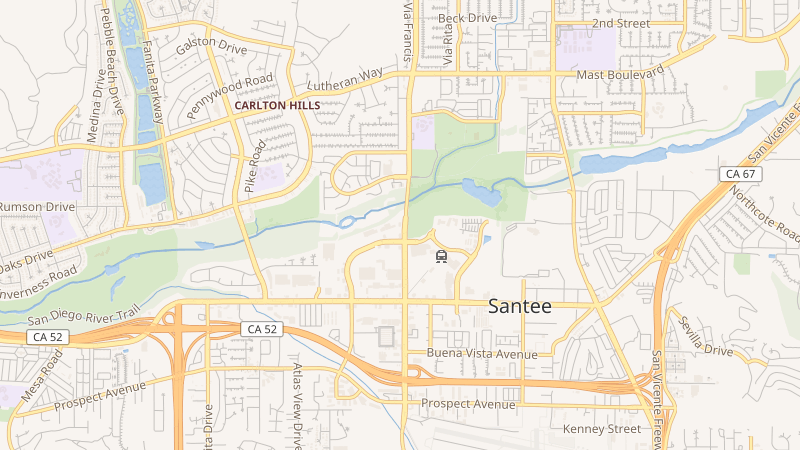
The San Diego Blood Bank and SDCCU are hosting a blood drive at the SDCCU branch at 286 Town Center Parkway in Santee from 10 a.m. to 3 p.m. on Tuesday, September 1. Organizers are citing extremely low blood inventory — a perennial concern heading into Labor Day weekend, when trauma-care demand tends to spike and regular donation activity drops as people travel. Donors will receive a SeaWorld Howl-O-Scream ticket while supplies last.
In El Cajon, a public workshop is planned for late September on potential redevelopment near Parkway Plaza, including a former Walmart space that has been vacant for nearly three years. Mayor Bill Wells has confirmed negotiations with three investors exploring a mix of retail, restaurants, entertainment, and housing, with rezoning already underway. No tenant plan has been finalized, but the late-September workshop will offer community members an opportunity to weigh in before plans solidify.