Heat, Trades, and a City Under Pressure: San Diego Faces a Week of Compounding Challenges
A five-day Extreme Heat Warning covering San Diego County's desert zones, two late-deadline Padres trades, and a sweeping public safety investigation set the tone for a Tuesday that tests the region's infrastructure and institutions simultaneously.

“The students who will enter the workforce in 2030 and 2035 will operate in environments where AI fluency is a baseline professional competency.”
How this was made Verified AI
Every Intellegix briefing is generated from that day's broadcast and run through automated checks before it publishes — with a human paged on any flag. Here is the trail for this edition.
Triple-Digit Danger: What the Overnight Heat Warning Means for San Diego

The National Weather Service San Diego issued an Extreme Heat Warning at 12:24 a.m. Tuesday, covering the Coachella Valley, San Diego County desert zones, and the San Gorgonio Pass near Banning. The warning runs through 8 p.m. Friday, August 8th, with forecast temperatures of 110 to 115 degrees Fahrenheit — a sustained, five-day stretch that forecasters describe as life-threatening rather than merely record-chasing.
The geographic distinction matters: coastal San Diego faces a high near 91 degrees with overnight lows around 66 to 67 — uncomfortable but manageable for healthy adults. The acute danger falls on inland and desert communities such as Borrego Springs, Ocotillo, and corridors along the Salton Sea, where overnight temperatures barely drop into the low 70s, leaving residents almost no physiological recovery window before the next day's heat rebuilds.
Humidity in San Diego's inland valleys is expected to sink to roughly 17 percent Tuesday afternoon — dry heat that accelerates dehydration faster than many residents from more humid climates recognize, often before they feel themselves sweating. The County has activated its Cool Zone network in response; in Santee, the designated site is the San Diego County Library branch on Carlton Hills Boulevard, which opened on Sunday, August 2nd, specifically to serve that function.
On the fire weather front, the Echo Fire near Jamul reached 100 percent containment at 24 acres — a welcome development — with no new ignitions reported as of Tuesday morning. Cal Fire stations extra crews during extended warnings of this type, and the combination of extreme heat and low humidity keeps the broader fire risk elevated through the week.
Preller Goes All-In: Padres Land Two Pitchers at the Deadline


The San Diego Padres closed out a two-deal trade deadline Monday afternoon that signals a franchise operating in unmistakably win-now mode. General manager A.J. Preller first acquired left-hander Robbie Ray from the San Francisco Giants, sending back right-hander Miguel Mendez and shortstop Joniel Hernandez while the Giants agreed to absorb a portion of the roughly $7.4 million remaining on Ray's 2026 salary — softening the financial cost while adding an experienced left-handed starter to a rotation that needed depth.
The second deal is the one likely to generate debate. Right-hander Casey Mize and infielder Gage Workman arrive from the Detroit Tigers in exchange for left-handers Kash Mayfield — the Padres' number two prospect — and Jackson Wolf. Trading the organization's second-best prospect at the midpoint of a season is a statement: Preller believes the offense and bullpen are sufficient and that starting pitching depth represented the specific vulnerability capable of ending San Diego's postseason aspirations early.
The Padres enter this week's four-game series in Arizona against the Diamondbacks sitting one game behind Philadelphia for the National League's final wild card spot, following a 5-1 homestand. Ray, who spent years pitching for Arizona and knows their lineup intimately, is expected to make his Padres debut in that series — possibly as early as Tuesday or Wednesday — a matchup that carries its own narrative weight.
The roster logic behind acquiring both Ray and Mize is worth noting: Preller bought redundancy rather than a single high-profile arm. If one struggles in a given week, the other can be slotted into the rotation. Manager Mike Shildt is expected to set that rotation structure over the coming days as San Diego attempts to close the gap for the wild card.
County-Spanning Crime Spree Ends in Arrests — and Raises Questions About Surveillance Policy


San Diego Police are investigating a multi-location shooting and carjacking spree that stretched from Imperial Beach, at the county's southwestern corner, north to Encinitas. Two suspects — Calvin Brown, 26, and Rolaena Blunt, 18 — have been booked on charges including attempted murder, carjacking, and assault with a deadly weapon. The investigation remains active, and SDPD has not publicly released a full timeline of the incident chain.
A notable element of the response was the role played by SDPD's Real Time Operations Center, which came online in mid-2025. The RTOC integrates license plate recognition data, drone feeds, and helicopter video into a centralized monitoring system that investigators can access in near real-time. In a spree crime crossing multiple jurisdictions and moving quickly, that kind of situational awareness reportedly compressed what could have been a multi-hour pursuit.
The RTOC's capabilities have drawn scrutiny from civil liberties advocates who have raised questions about data retention and the downstream use of plate-reader and drone footage after an investigation closes. Those questions have not yet been the subject of a public hearing at City Council — and with the council in recess until late August, that oversight review is likely to wait.
Separately, the Grade Fire near Lake Henshaw — which had prompted evacuation orders earlier in the week — saw those orders lifted as of August 1st. Crews are now in the mop-up and containment phase. No new active ignitions were reported across the county as of Tuesday morning, though elevated fire weather conditions persist through the week.
A $205 Million VA Hospital, a New Apartment Project, and a Reopened Park
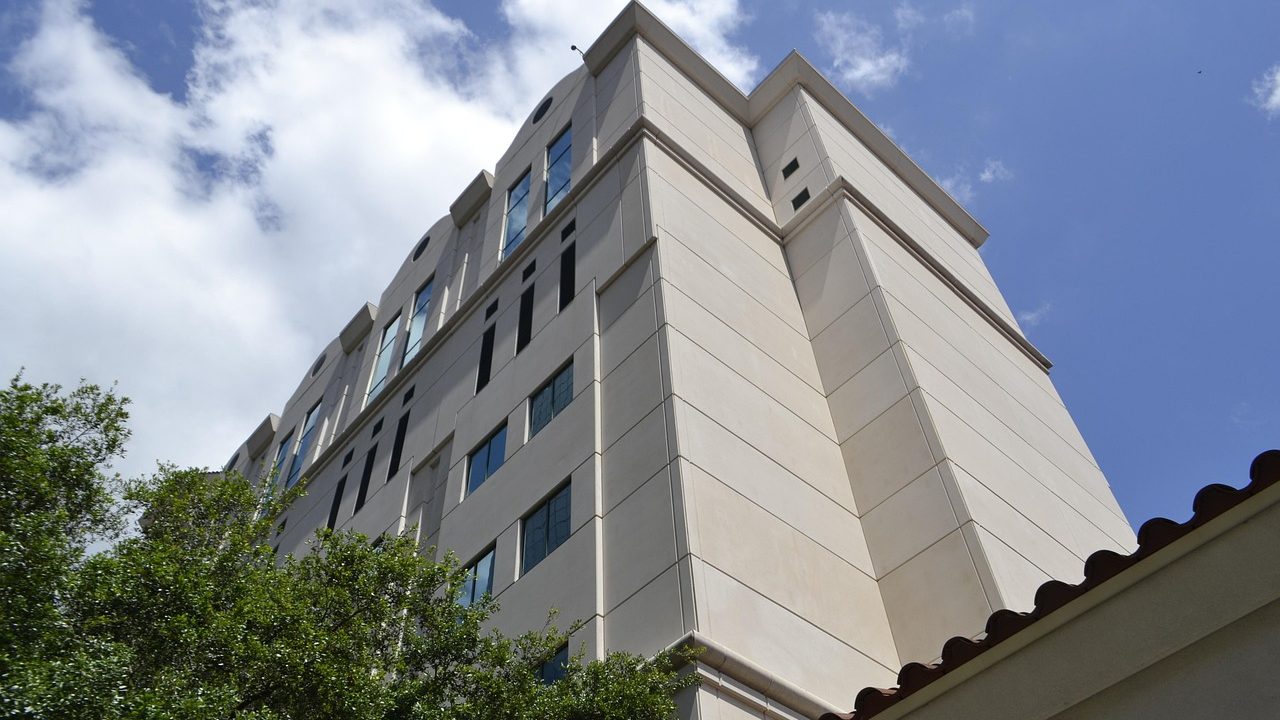
On July 14th, the federal government formally took ownership of the new VA Spinal Cord Injury and Disorders Hospital at the Jennifer Moreno VA Medical Center in San Diego. The facility is 200,000 square feet, cost $205 million to construct, and contains 50 beds — 20 of them designated for long-term care. The San Diego VA Healthcare System is targeting early 2027 for first patient admissions.
The patient population the facility is designed to serve spans roughly 850 veterans across Southern California, Arizona, and Nevada who require specialized spinal cord injury care. Historically, that care has been concentrated in a small number of VA centers nationally, meaning many veterans in this region have had to travel for it. The new hospital represents a meaningful shift toward local access — proximity that carries significant practical weight for families managing long-term care.
On the multifamily development front, Zephyr broke ground on a 223-unit apartment redevelopment of the former Perry's Cafe site in Old Town, following a $9 million land acquisition, with delivery targeted for early 2028. The project is notable given a broader pullback in multifamily construction starts — county-wide, starts have dropped approximately 24 percent year over year — suggesting either unusual confidence in the Old Town location's transit-oriented demand or unusual access to capital.
The City of San Diego also completed a $6.6 million accessibility overhaul of Olive Grove Community Park in Clairemont — 9.2 acres — which reopened July 28th after construction delays. The upgrades expand usable access for families with mobility impairments, young children, and older residents who had effectively been excluded from portions of the park. San Diego's rental vacancy rate sits near a 15-year high of approximately 5.7 percent as a wave of new housing supply works through the market, providing broader context for the region's development activity.
National Night Out, Road Work, and a Ballot Measure Taking Shape in East County

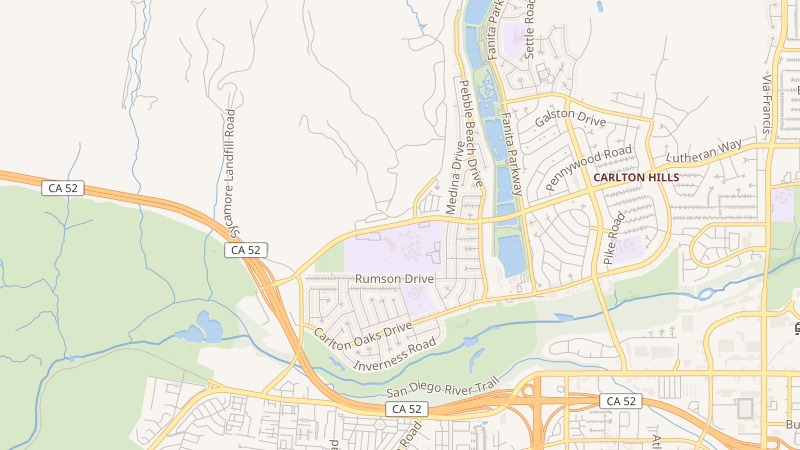
Tuesday evening marks National Night Out across San Diego's East County, with San Diego County Sheriff's deputies hosting neighborhood gatherings throughout the communities in their service area — including Santee — where families can meet deputies, view equipment, and take part in safety activities. The annual event is designed to strengthen relationships between law enforcement and residents, and in a year when that relationship has faced strain in communities across the country, participation levels will carry their own significance.
Santee drivers face overlapping disruptions on Mast Boulevard this week. Padre Dam's Advanced Water Purification pipeline construction continues toward Fanita Parkway, with one-way traffic control active near Santee Lakes. Simultaneously, the city's Citywide Pavement Repair program is running a slurry seal operation between Carlton Hills Boulevard and Fanita Parkway, and between Park Center Drive and Magnolia Avenue, with lane reductions and flaggers in place. The Walker Preserve sewer rehabilitation project, underway since July 13th, has narrowed the trail to approximately 12 feet, with brief full-closure windows expected during pipe-liner pull phases — the city is posting advance notice on social media before those closures.
On the civic calendar, Santee's proposed one-percent general sales tax measure for the November 3rd ballot is entering its public outreach phase. The measure carries a 10-year sunset clause, exemptions for groceries, prescription medicine, and diapers, and requires annual independent audits alongside a citizens' oversight committee. Projected revenue is roughly $14 million per year, directed toward street repairs, fire station upgrades, and storm-drain maintenance. The city notes this would be the first local add-on sales tax since Santee's incorporation — voters will weigh a substantial decision when the ballot arrives.
Six Days to Go: San Diego Unified's Tech Restrictions — and the Question the District Hasn't Answered

San Diego Unified's classroom technology policy takes effect August 10th, the first day of the 2026-27 school year — six days away. Superintendent Dr. Fabi Bagula reported that the district has enrolled 1,085 new students through its enrollment hubs, representing 82 percent of a 1,309-student target, meaningful progress against a backdrop of longer-term enrollment decline. The policy itself — approved unanimously by the Board in late June — bans YouTube and non-educational gaming apps on student-issued devices, removes computer carts from Transitional Kindergarten classrooms, restricts AI-enabled software, and schedules Chromebook on and off hours. A monthly task force of students, parents, teachers, and administrators will convene through the year, with an early assessment in January 2027 and a full annual review by May 2027.
The research foundation underlying the policy is more solid than critics sometimes allow. Studies on smartphones and social media in classrooms have grown substantially more robust over recent years — work including Jonathan Haidt's research, the Surgeon General's advisory on youth social media, and multiple randomized controlled studies from Europe showing measurable test-score gains following device restrictions. The evidence for limiting screens in K-12 settings is real.
The harder question centers on AI-enabled software specifically. The students who will enter the workforce in 2030 and 2035 will operate in environments where AI fluency is a baseline professional competency. By restricting those tools during formative years, the district may be trading one set of demonstrated harms for a less visible but potentially substantial opportunity cost — particularly for students from lower-income households who lack access to those tools at home. The policy treats all digital tools as roughly equivalent risks, but YouTube and an AI writing assistant represent meaningfully different categories of classroom technology.
A second assumption embedded in the policy is that teachers are prepared to fill the space that screens vacate. In well-resourced classrooms with experienced instructors, focused device-free learning time can genuinely improve engagement. In understaffed schools relying on long-term substitutes, the same restriction may produce less of everything rather than better outcomes. The January 2027 assessment will be the first real signal — and disaggregated data by school resource level will be the most revealing metric to watch. Waiver requests for AI software restrictions, if they arrive from teachers or parents of high school students preparing for college, will surface quickly through the task force and indicate whether the policy's core assumptions are holding under real-world conditions.
For families planning around the academic calendar: San Diego Unified opens August 10th. Catholic diocesan schools follow a staggered schedule, with Mater Dei Catholic opening August 11th, Cathedral Catholic August 13th, and the remaining 44 schools spread through August 26th. Community events this week include free Twilight in the Park concerts at Spreckels Organ Pavilion in Balboa Park through Thursday at 6:30 p.m., the Taste of Imperial Avenue in Logan Heights on Friday from 4 to 9 p.m., and an author event with Annie Jacobsen at the Coronado Public Library Thursday at 7 p.m., where she will discuss her latest work on biological warfare.