City Hall Goes on Recess With a Housing Deadline Looming
How this was made Verified AI
Every Intellegix briefing is generated from that day's broadcast and run through automated checks before it publishes — with a human paged on any flag. Here is the trail for this edition.

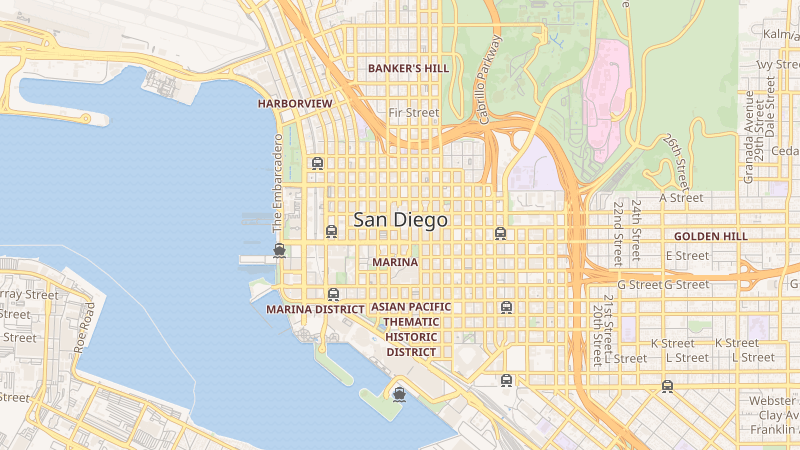
San Diego City Council formally entered legislative recess Wednesday, the first day of its scheduled break per the 2026 calendar. Full council votes are suspended until the week of July 13, though an Economic Development and Intergovernmental Relations Committee meeting is scheduled for 2:00 p.m. Wednesday, and a Budget and Government Efficiency Committee session is on the calendar for Thursday morning at 9:00 a.m. The Board of Supervisors is similarly in a holding pattern after its last General Legislative Session on July 2; the next session is not scheduled until July 22 following the formal cancellation of the July 14 meeting.
The recess arrives at a particularly consequential moment for housing policy. SB 79, the state's new transit-oriented development law, took effect July 1, and the city's Planning Department has published a formal information bulletin explaining local application. Planners are now mapping affected parcels across College Area, Mission Valley, and City Heights — neighborhoods where the law allows up to nine-story residential buildings within a half-mile of major trolley and bus rapid-transit stops, overriding local zoning. The city has 30 days from July 1 to formally designate its own Transit-Oriented Development Alternative Plan or default to the state-specified maximums entirely. That deadline falls on July 31 — squarely inside the recess period.
Critics have raised concerns about 'dramatically changing some neighborhoods' before communities have adapted to the new rules, a sentiment surfacing in planning meetings and community forums. College Area, Mission Valley, and City Heights are established residential communities; nine-story buildings on parcels previously zoned for single-family or small commercial uses represent a significant transformation. Whether that transformation is welcome depends largely on where one sits in San Diego's housing debate.
A separate ADU reform push adds another layer of complexity. The City Council passed a bonus ADU program in June 2025 allowing a maximum of six units per lot, two-story height limits, and parking requirements outside transit priority zones. Planning Director Heidi Vonblum's office is now formally requesting more expansive changes, citing concern that current limits may not adequately address density near high-fire-hazard zones. Mayor Todd Gloria has been briefed on the expanded request, and the Union-Tribune reports the expectation is for further Council action before the August recess ends — a tight window given that recess began today.