USMCA Non-Renewal Rattles San Diego's Thirty-Five-Billion-Dollar Border Economy
How this was made Verified AI
Every Intellegix briefing is generated from that day's broadcast and run through automated checks before it publishes — with a human paged on any flag. Here is the trail for this edition.
President Trump declined last week to renew the US-Mexico-Canada Agreement, replacing the binding long-term trade framework with annual reviews — a shift that San Diego Regional Chamber of Commerce CEO Chris Cate warned could destabilize one of the most active land-border trade corridors in the Western Hemisphere. Cate placed precise numbers on the local exposure: the region exports nearly thirty-five billion dollars in goods to Mexico each year, and approximately ninety-five thousand regional jobs are directly tied to that cross-border relationship.
The structural concern, as Cate identified it, is one of investment uncertainty. Under USMCA, businesses could commit to multi-year decisions — factory construction, expanded hiring, long-term supplier contracts — with confidence that trade rules were locked in. Annual reviews replace that stability with a regulatory environment that could shift year to year, discouraging the capital formation that underpins economic growth.
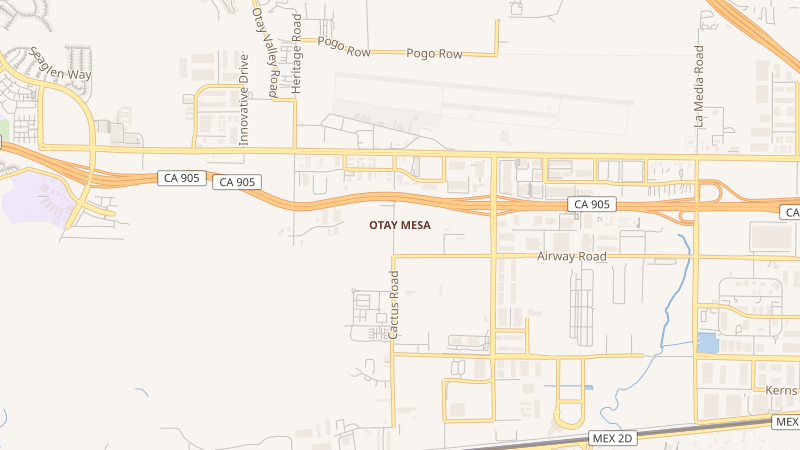
The sectors most exposed are central to San Diego's border economy: electronics assembly, medical devices, automotive components, and consumer goods. The industrial parks of Otay Mesa, the maquiladoras across the line in Baja California, and the logistics firms connecting them all face an uncertain operating environment. KPBS reported the story Monday, and observers are now watching for responses from congressional representatives whose districts include the Otay Mesa corridor.