Bass Pro Shops Heads to La Mesa, While Housing Market Shows Signs of Softening
How this was made Verified AI
Every Intellegix briefing is generated from that day's broadcast and run through automated checks before it publishes — with a human paged on any flag. Here is the trail for this edition.
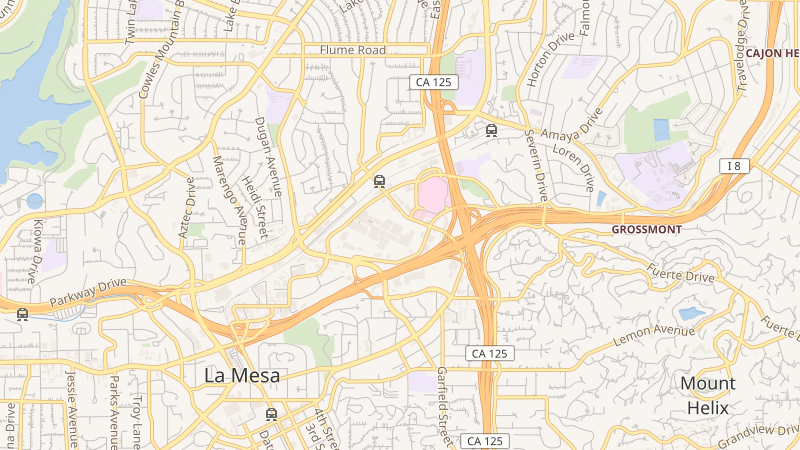
Bass Pro Shops announced on July 2nd that it will build a 148,000-square-foot 'mega adventure store' at Grossmont Center in La Mesa — the first Bass Pro location in all of San Diego County. The store is expected to open in 2028 and create more than 150 jobs. La Mesa Mayor Mark Arapostathis publicly welcomed the announcement. At roughly the size of a large department store anchor, the location would be Bass Pro's sixth in California, a chain that has been in the state since 2007.
The announcement arrives as a counterpoint to the Apple Store closure at North County Mall in Escondido — two retail stories pointing in opposite directions at the same moment. Bass Pro operates as a destination concept, drawing customers willing to drive thirty or forty minutes specifically to visit, a different dynamic than the traditional mall anchor that depends on general foot traffic.
On the housing front, current countywide inventory stands at 1,415 detached homes actively listed. Over the past thirty days, 312 homes entered escrow and 709 closed. The average list price sits at approximately $1,519,000, while the average sold price is slightly lower at around $1,502,000, with homes averaging twenty-two days on market. The roughly $17,000 gap between list and sale price reflects buyers negotiating sellers down — a departure from the above-ask frenzy of a year or two ago — as analysts note that rising inventory has given buyers leverage they simply did not have earlier in 2026.
The SB 79 transit-housing maps released by the city introduce a new zoning reality for parcels within a half-mile of trolley stops and qualifying bus rapid transit stations. Landowners near stations now hold more developable property than they did six months ago; residents who relied on existing density limits face a changed landscape. The policy argument behind SB 79 is that housing near transit reduces vehicle miles traveled, lowers infrastructure costs per unit, and exerts downward pressure on rents in a region where the median detached home price hit an all-time high of $1.1 million in June. Whether development materializes at meaningful scale — given financing constraints, permitting friction, and construction costs — remains a separate and open question.
Key indicators to watch over the next twelve to eighteen months: which parcels near transit stations see new development applications filed, how the city's planning department handles the first wave of SB 79-enabled proposals, and whether community opposition finds any legal foothold under the new framework.