NASCAR Makes History on a Navy Base — and the Padres Send Buehler to Arlington
How this was made Verified AI
Every Intellegix briefing is generated from that day's broadcast and run through automated checks before it publishes — with a human paged on any flag. Here is the trail for this edition.

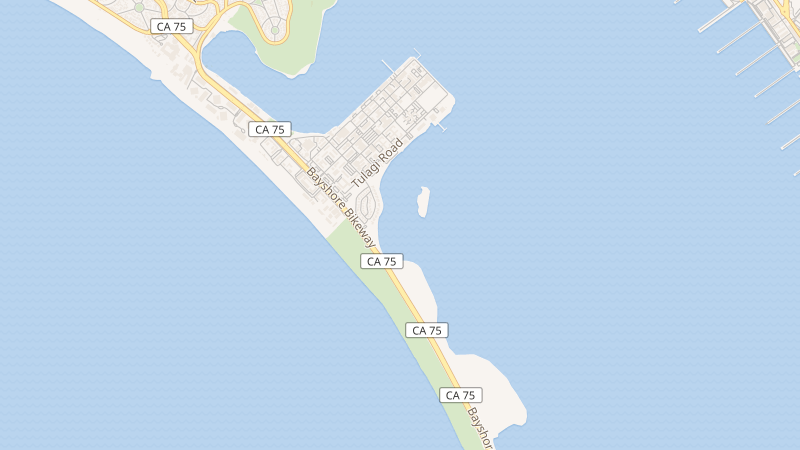
For the first time in the sport's history, a NASCAR points race is being held on an active U.S. military installation. The O'Reilly Auto Parts Series race at Naval Base Coronado ran Saturday at 2:00 p.m. Pacific on The CW, with Sunday's featured event — the Cup Series Anduril 250 — to follow. The track is a 3.4-mile, 16-turn circuit along the base and San Diego Bay, giving drivers water views unavailable at any other venue on the circuit. Kyle Larson in the No. 5 Hendrick Motorsports Chevrolet was fastest in Friday's practice session for Sunday's Cup race. The Haas Factory Team is honoring the late President George H.W. Bush — a Naval aviator — on the No. 41 car throughout the weekend.
On the baseball front, the Padres dropped a high-scoring game Friday night in Arlington, 9-7. Jacob deGrom struck out nine over six innings on his 38th birthday to earn the win for Texas. Ty France hit a grand slam off deGrom in the first inning to give San Diego an early lead the team could not hold. The Padres stand at 38-36, third in the NL West. Walker Buehler — 4-3, 4.14 ERA — takes the mound Saturday afternoon at 4:05 p.m. Pacific against Nathan Eovaldi (6-7, 4.23 ERA). The Padres rank 30th in the majors in runs scored at 3.8 per game, but lead all of Major League Baseball with a .992 fielding percentage and sit seventh in team ERA at 3.85.
The question of whether San Diego's affordable housing strategy can scale fast enough to meaningfully address the shortage deserves scrutiny alongside the optimism of groundbreaking ceremonies. The Navajo Family Apartments project — $32 million for 45 units — works out to roughly $711,000 per unit. The county's affordable housing gap is measured in the tens of thousands of units. Even at a full sprint of groundbreakings, the pace of production is structurally outpaced by population growth and the ongoing conversion of naturally occurring affordable housing into market-rate product. The layered financing model that makes individual projects pencil out also depends on public funding sources — SDHC loans, Bridge to Home money, the County's Innovative Housing Trust Fund — that are tied to state and federal allocations that are currently politically contested.
A meaningful early signal that the strategy is gaining traction, rather than generating press releases: the San Diego Housing Commission publishes its project pipeline publicly. If the number of units in active construction or approved planning stages grows above 200 units per quarter consistently, the model has real momentum. If the countywide median home price — currently flat at $925,000 for two years — begins falling meaningfully, say five percent or more year-over-year sustained, it would suggest supply-side interventions are genuinely moving the needle. Housing policy in San Diego is moving in the right direction; the speed remains insufficient for the problem's scale. Both things can be true simultaneously.
The U.S. Police and Fire Championships wraps up its final day Saturday in Downtown San Diego. Running since 1967, the event features 35 to 40 Olympic-style sports for active and retired law enforcement and firefighters from across the country.