Padres Face deGrom; A Budget That Looks Better on Paper Than in Practice?
How this was made Verified AI
Every Intellegix briefing is generated from that day's broadcast and run through automated checks before it publishes — with a human paged on any flag. Here is the trail for this edition.

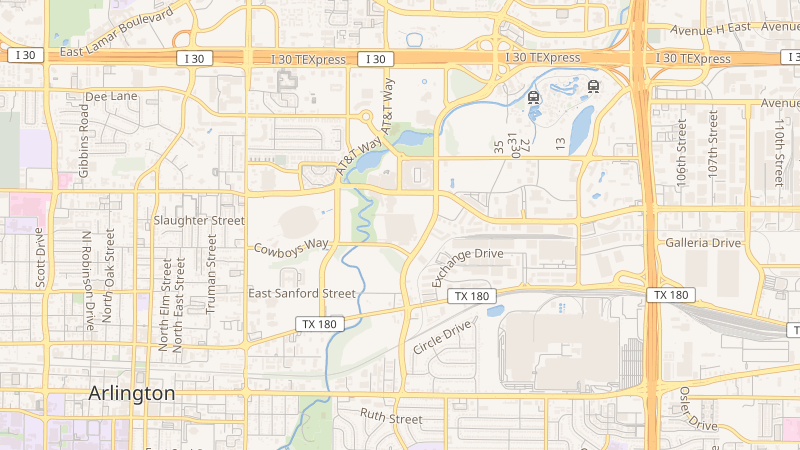
The San Diego Padres open a three-game road series tonight against the Texas Rangers at Globe Life Field in Arlington, with first pitch at 8:05 p.m. Pacific. San Diego sits at 38 and 35 on the season, second in the NL West and 9.0 games back. The Rangers are 35 and 39, third in the AL West. San Diego starter Michael Vasquez, 6-4 with a 3.63 ERA, will face Texas ace Jacob deGrom, who is 5-4 with a 3.17 ERA. The Padres arrive having salvaged the final game of their Cardinals series 6-1 on Wednesday, with Fernando Tatis Jr. driving in two runs and Jackson Merrill hitting a two-run home run — both players collecting three hits each.
With the county's $9.16 billion budget heading to a Monday vote amid broadly optimistic coverage, the strongest counterargument deserves a hearing. The budget includes $93.1 million for affordable housing and $1.4 billion for behavioral health — real commitments on paper. But San Diego County has a documented track record of housing budget allocations that do not produce units at the rate or cost projected. Land costs, environmental review timelines, construction expenses, and litigation all compress actual output relative to authorized spending.
The behavioral health allocation faces its own translation problem. County funding passes through multiple agencies, contracts, and school districts before reaching a clinician in a room with a student — each handoff a place where intent and outcome can diverge. The GUHSD grand jury story is a live illustration: institutional decisions can eliminate mental health services from students regardless of what a county budget authorizes.
The budget also sets aside $23 million to help families navigate new federal benefit eligibility requirements — changes to Medi-Cal and CalFresh under the federal HR 1 reconciliation bill that could reduce coverage for some residents. That figure rests on the assumption that navigation assistance will successfully keep eligible people enrolled. If the federal changes prove more disruptive than the county's models project, navigation funding does not compensate for lost services.
Three data points would signal that the skeptical scenario is materializing: housing unit production numbers that fall significantly short of projections by the spring following the budget vote; continued mental health service gaps in East County despite behavioral health funding; and rising Medi-Cal disenrollment in the county despite the navigation fund. A concrete early indicator will be the county's affordable housing fund deployment report in fall 2026 — specifically, whether the $93.1 million allocation has resulted in new construction contracts by year's end. Monday's vote makes the budget official; the data, arriving later, will determine whether it worked.