Cartel Tunnel Charges, a $9 Billion Budget, and a Landmark Wage Theft Suit
How this was made Verified AI
Every Intellegix briefing is generated from that day's broadcast and run through automated checks before it publishes — with a human paged on any flag. Here is the trail for this edition.

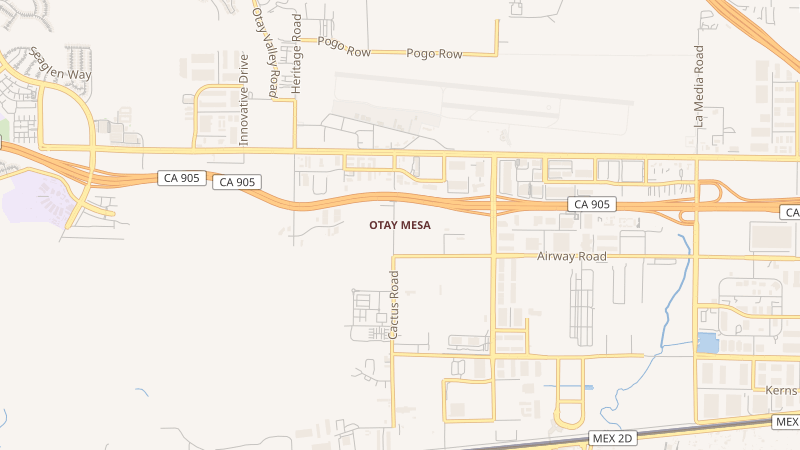
Federal prosecutors have charged four defendants in connection with a 265-meter underground tunnel discovered near the Otay Mesa border crossing. The tunnel — the first cross-border passage found in Southern California in 2026 and the ninety-ninth discovered since 1993 — was accessed via a hydraulic lift concealed inside a fake retail store called 'Buy 4 Less.' Inside: lighting, ventilation, and an electronic rail transport system. Agents seized more than 2,250 pounds of cocaine during arrests on May 29th. The tunnel is believed to be linked to the Jalisco New Generation Cartel.
The four defendants — two Mexican nationals and two U.S. citizens, ranging in age from 18 to 32 — face charges that carry potential life sentences. One defendant, Gregorio Epifanio Hernandez Lopez, faces an additional charge of constructing and financing an unauthorized tunnel. The engineering sophistication on display underscores a three-decade pattern: each successive tunnel has been more elaborate than the last.
The San Diego County Board of Supervisors is scheduled to hold its formal vote on the $9.16 billion Fiscal Year 2026–27 budget on Monday, June 23rd. The budget represents a 6.1 percent increase over the current year — roughly $522 million more than current spending. Public comment closed June 11th. A general legislative session follows on June 25th.
On the same day budget coverage circulated, the county's Office of Labor Standards and Enforcement filed what officials are explicitly calling their first major labor enforcement lawsuit. The OLSE sued six companies — Ace Sushi Franchise Corp., Asiana Management Group, Advanced Fresh Concepts Franchise Corp., Advanced Fresh Concepts Corp., FujiSan Franchising Corp., and Fuji Food Products, Inc. — alleging that the companies used a franchise structure to deliberately misclassify grocery store sushi chefs as independent contractors rather than employees.
The OLSE investigation found workers were allegedly logging more than seventy hours per week at multiple store locations without minimum wage protections, overtime pay, paid sick leave, or mandatory rest breaks, and were reportedly required to purchase their own supplies and equipment from the companies. The county is seeking unpaid wages, liquidated damages, civil penalties, and injunctive relief. National grocery-sector sushi counter sales exceed $2.5 billion annually. The fact that the OLSE is calling this its first major enforcement action suggests officials intend to use it as a legal framework for potential future cases against franchise structures in other industries.
In a separate animal welfare matter, county animal services removed dozens of animals, including horses, from a Rancho Santa Fe property this week following a report of possible neglect. The county is simultaneously managing a large-scale animal rescue from an earlier case in Julian. Details on the Rancho Santa Fe situation remain limited.