Affordable Housing Breaks Ground in San Carlos — But the Math Remains Daunting
How this was made Verified AI
Every Intellegix briefing is generated from that day's broadcast and run through automated checks before it publishes — with a human paged on any flag. Here is the trail for this edition.
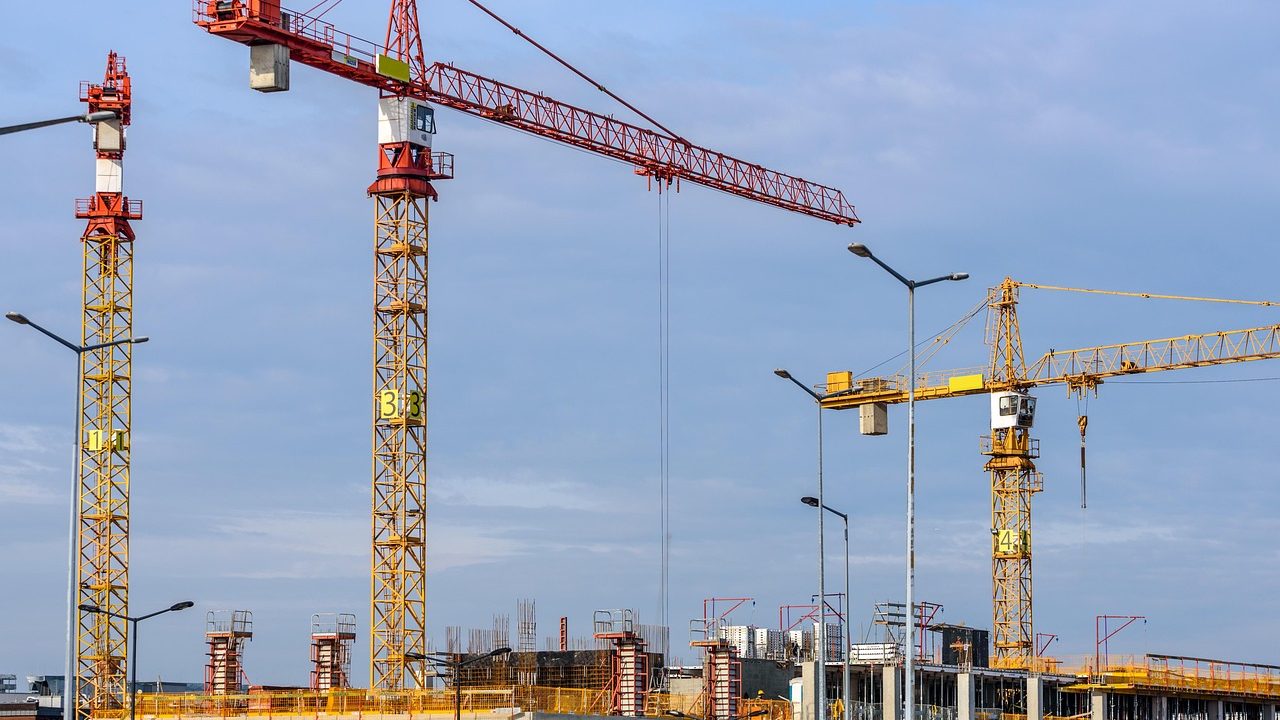
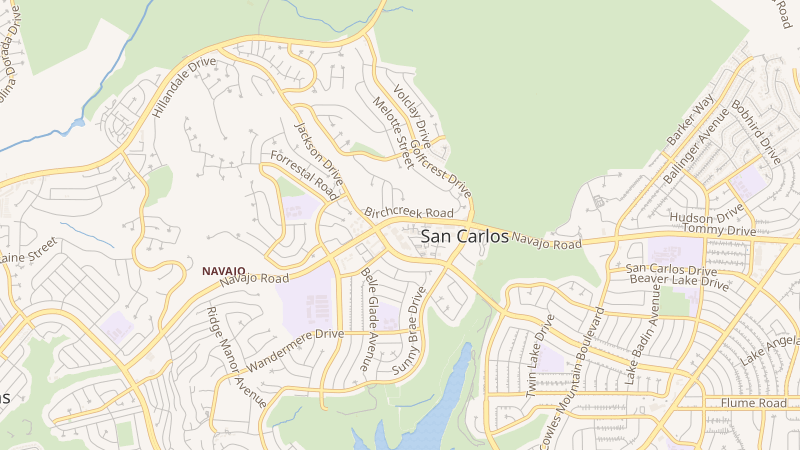
Construction is officially underway on the Navajo Family Apartments project at 7005 Navajo Road in San Carlos, following a June 16 groundbreaking. The 45-unit development, built by Community HousingWorks with $3.4 million from the county's Innovative Housing Trust Fund, is notable for a specific designation: eight of its units are reserved for adults with intellectual or developmental disabilities, a population facing compounding barriers of limited income, limited mobility, and limited access to sustained housing case management.
The project's location in San Carlos — a largely single-family residential neighborhood in eastern San Diego — reflects a broader effort to distribute affordable housing more evenly across the county rather than concentrating it in already-dense areas. Proximity to transit and services was cited as a factor in the site selection, particularly significant for residents who may not drive.
The per-unit cost of the development illustrates a structural tension in affordable housing policy. At roughly $32 million for 45 units, the project works out to approximately $711,000 per unit. The county's revised $9.16 billion budget — set for a final Board of Supervisors vote on June 25 at 9 a.m. at the County Administration Center — allocates $93.1 million specifically for affordable housing. At comparable per-unit costs, that allocation would fund somewhere between 130 and 230 units countywide, while the region's affordable housing deficit is estimated in the tens of thousands of units.
Proponents note that deed-restricted affordable housing serves a function the broader market cannot: guaranteeing permanent affordability for households at 30 to 50 percent of Area Median Income who would otherwise face homelessness regardless of overall housing supply conditions. The debate over whether the current investment mix is reaching the most acutely vulnerable households — or skewing toward those at higher income tiers — remains unresolved, and publicly reported data from the county's annual point-in-time count and project income-tier filings offer a means of tracking outcomes against stated goals.