Five Rulings in 27 Years: Courts Deliver Final Blow to Fanita Ranch
How this was made Verified AI
Every Intellegix briefing is generated from that day's broadcast and run through automated checks before it publishes — with a human paged on any flag. Here is the trail for this edition.

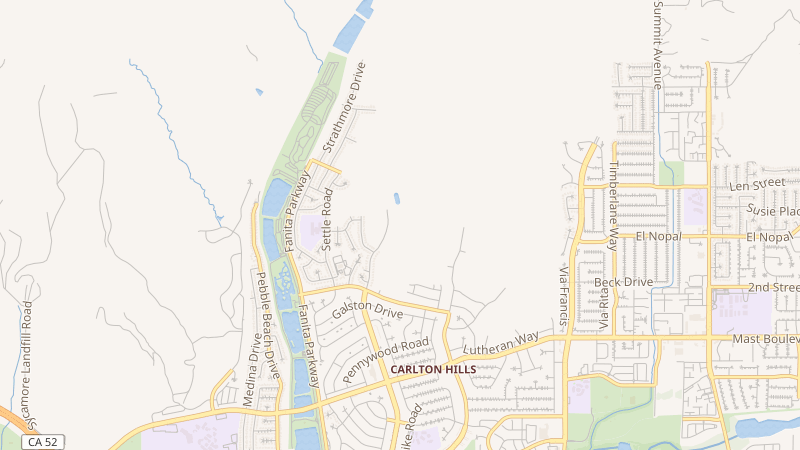
The Fanita Ranch development saga appears to have reached its conclusion, and it is not the ending HomeFed Corporation was hoping for. In the first week of June, both the San Diego Superior Court and California's Fourth District Court of Appeal handed down decisive rejections of the controversial 3,008-home project proposed for Santee's northern hillsides — the fifth time a court has ruled against the project since HomeFed first proposed it in 1999.
The appellate court found that Santee improperly attempted to exceed its General Plan limits after voters passed Measure N, while the Superior Court rejected the city's attempt to bypass a public referendum. Environmental groups Preserve Wild Santee and the Center for Biological Diversity, represented by Van Collinsworth and John Buse, called the twin rulings a decisive moment for fire-safe planning in East County.
The timing is striking given current fire conditions. Two significant blazes have already occurred this season: the November Fire at Camp Pendleton burned 560 acres, and the Border 6 Fire consumed more than 2,600 acres near Dulzura. Cal Fire has described this as shaping up to be an intense fire year and has deployed a fourth C-130 airtanker to Ramona Airport. Observers note the courts were not merely ruling on procedural grounds — they were effectively validating longstanding concerns about placing thousands of homes in wildfire-prone terrain.
HomeFed retains one remaining legal avenue: an appeal to the State Supreme Court. Given five adverse rulings across multiple jurisdictions, however, the legal precedent appears firmly established that Santee overstepped its authority and that voters were entitled to weigh in. The case is expected to serve as a template for how California handles development proposals in fire-prone areas where residents have voted for growth limits.
For Santee, the decisions free up city resources tied to litigation for nearly three decades, allowing attention to shift toward active projects such as a new community center currently under construction and the infrastructure needs of existing neighborhoods.