Two Million Casualties: Ukraine's War Reaches a Grim Threshold
How this was made Verified AI
Every Intellegix briefing is generated from that day's broadcast and run through automated checks before it publishes — with a human paged on any flag. Here is the trail for this edition.
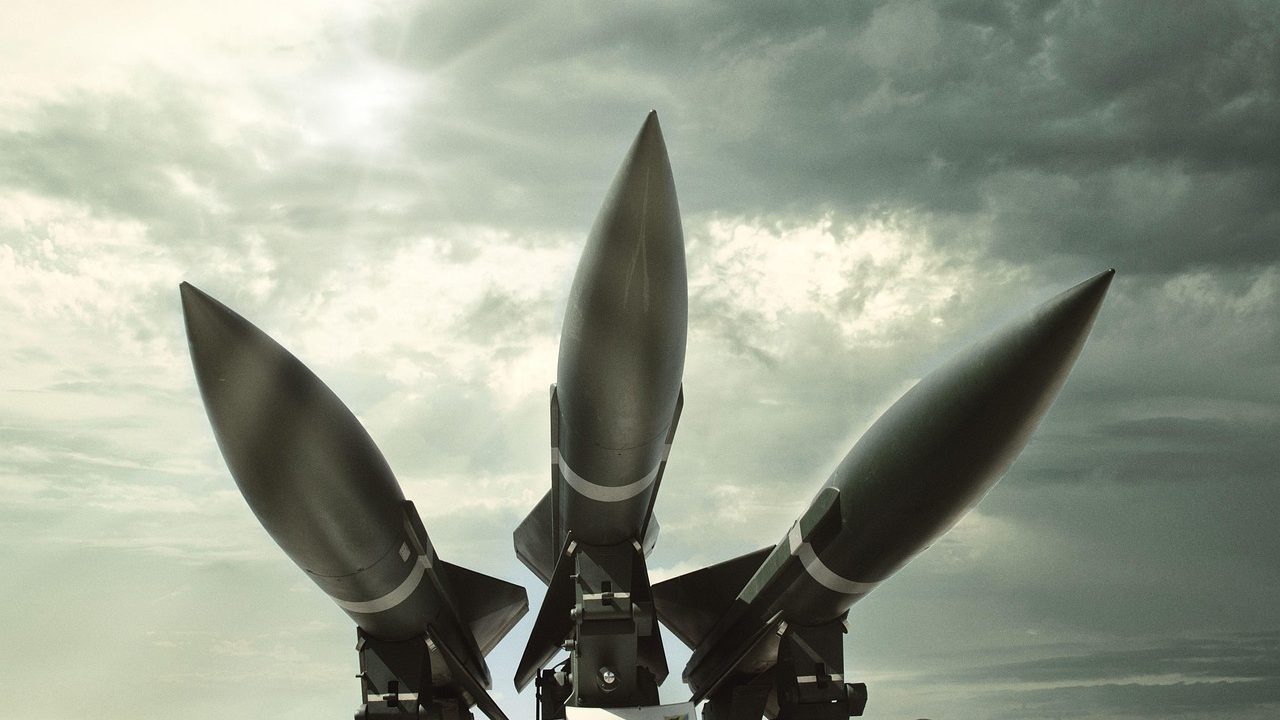
Russian missiles and drones killed at least 10 people in Kyiv overnight on July 1st into July 2nd, continuing a pattern of intensified attacks on civilian infrastructure that has persisted throughout 2026. The strikes arrived as the Center for Strategic and International Studies released a new study estimating that total war casualties — killed and wounded combined — have now exceeded 2 million since Russia's full-scale invasion in February 2022, with Russia accounting for approximately 1.4 million and Ukraine between 525,000 and 625,000. Those figures dwarf the combined American casualties of every military conflict the United States has fought in the 21st century.
Ukraine took a significant diplomatic step by informing the International Maritime Organization that Russia's shadow fleet vessels — tankers operating without proper insurance and registration to move Russian crude outside the Western oil price cap — should be considered military targets. The designation attempts to reframe the legal status of those ships from commercial vessels to legitimate objects of attack. Separately, Kazakhstan agreed to ship gasoline to Russia as domestic fuel shortages deepened inside Russian territory, a consequence of Ukrainian drone strikes on refinery capacity and export-driven product diversion — an example of sanctions-adjacent support quietly sustaining Russia's war economy.
Iran's position added a volatile dimension to the geopolitical picture. Indirect U.S.-Iran talks in Doha ended without a breakthrough, and Iran's military followed with explicit threats regarding the Strait of Hormuz — a waterway through which roughly 20% of the world's traded oil passes. Vice President Vance claimed U.S. strikes had set back Iran's nuclear program 'by decades,' a formulation that appears to significantly exceed earlier intelligence community assessments suggesting Iran would need approximately one year to build a nuclear weapon if it chose to weaponize. Whether Vance's framing reflects updated intelligence analysis or pre-holiday political messaging is a distinction with substantial consequences for understanding American strategic posture toward Tehran.
Poland warned that a diplomatic rift between Russia and Ukraine — including tensions between Kyiv's government and some Western partners over negotiating conditions — could be exploited by Moscow to fracture the coalition sustaining Ukrainian resistance. Warsaw, one of the most hawkish supporters of Ukraine in Europe, described the risk in terms that carried particular weight given the country's geographic and historical exposure to Russian pressure.