Drones Over Moscow, a Polish Reversal, and Xi's Taiwan Signal
How this was made Verified AI
Every Intellegix briefing is generated from that day's broadcast and run through automated checks before it publishes — with a human paged on any flag. Here is the trail for this edition.
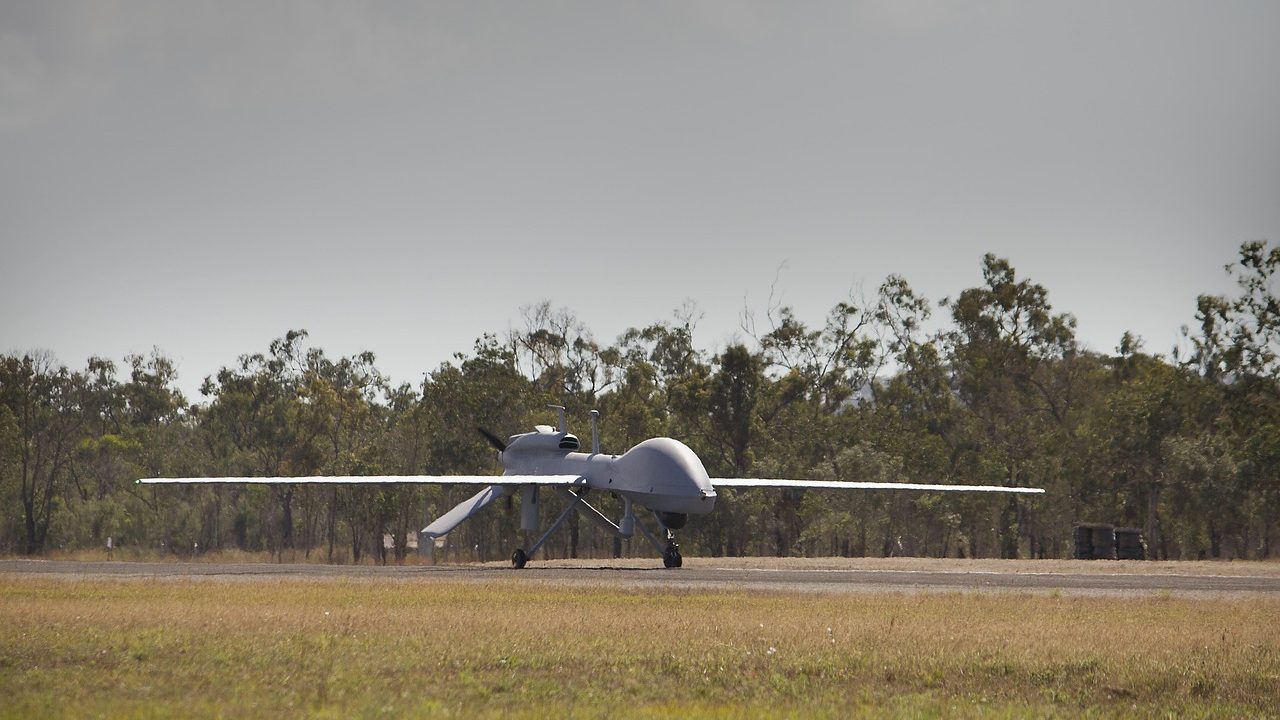
Ukrainian President Zelensky confirmed that drones struck the Dubna Space Communications Center near Moscow on June 30th — the second hit on the facility in just over a week. The target is one of Russia's key satellite command hubs, and striking it twice in rapid succession suggests Ukraine has either established a repeatable strike corridor or is deliberately signaling that Russian space-based communications infrastructure is now a sustained objective rather than a one-off demonstration. Separate drone strikes also hit Moscow itself as what officials described as a Crimea crisis mounted, marking a continued evolution in Ukrainian targeting philosophy toward deep strikes on military-critical infrastructure near the Russian capital.
Against that backdrop, Poland announced it was scrapping a planned transfer of MiG-29 fighters to Ukraine — a reversal that, while the aircraft are Soviet-era jets, carries significant symbolic weight coming from one of Kyiv's most committed NATO backers. The decision deepens a rift shaped by grain trade disputes and the broader domestic costs Warsaw has absorbed from the war. Meanwhile, Alexander Lukashenko met with Chinese President Xi Jinping after reportedly complying with a Ukrainian ultimatum to stop supplying attack drones to Russia — a sequence suggesting Lukashenko is seeking reassurance from Beijing even as he pulls back from one specific weapons pipeline supporting Moscow.
Xi used the 105th anniversary of the Chinese Communist Party to make explicit vows about military buildup and Taiwan reunification in a carefully calibrated speech directed simultaneously at Taiwan's government, the U.S. Seventh Fleet, and domestic Chinese audiences. The pairing of reunification rhetoric with explicit military expansion language, timed while the United States is consumed with the Iran situation, amounted to a deliberate strategic signaling campaign. For investors and supply-chain analysts, the Taiwan statement carries direct implications for semiconductor manufacturing concentration — TSMC's fabs and the global chip industry sit at the center of any scenario in which that strait becomes contested.
The U.S. Air Force disclosed for the first time that the B-2 stealth bomber can now fire stealth anti-ship missiles — a capability announcement whose timing was almost certainly not coincidental. Publicly revealing that capability changes the calculus for any adversary fleet operating in contested Pacific waters and is the kind of reveal made when a potential adversary is meant to factor it into its planning.