Iran on Every Axis: Hormuz, Diplomacy, and Netanyahu's Warning
How this was made Verified AI
Every Intellegix briefing is generated from that day's broadcast and run through automated checks before it publishes — with a human paged on any flag. Here is the trail for this edition.
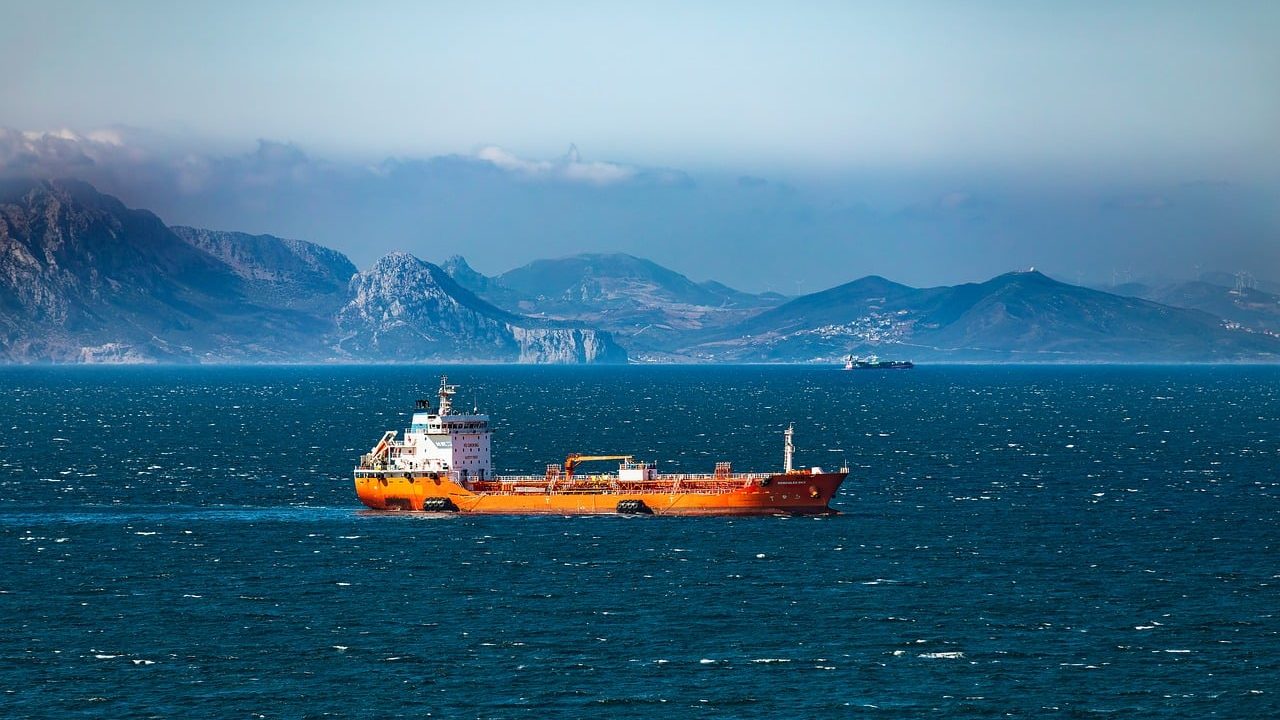
At least four distinct Iran storylines converged within a 24-hour window, pointing in nearly contradictory directions. A ship ran aground in the Strait of Hormuz — a waterway handling roughly 20% of global oil trade — at precisely the moment U.S.-Iran nuclear talks in Doha stalled over Iran's demand for a written memorandum of understanding before any formal agreement. Vice President Vance dismissed Iran's public denial of ongoing talks as, in his words, 'a Persian negotiating tactic,' a framing that implicitly acknowledged the administration believes negotiations are proceeding beneath the surface noise.
Netanyahu meanwhile issued an explicit warning that Israel would not allow Tehran to acquire nuclear weapons and could strike Iran a third time — a statement calibrated not only for Tehran but for Washington, effectively constraining American diplomatic flexibility. Any framework the U.S. reaches must be durable enough that Israel does not unilaterally destroy it. The CIA director was separately communicating with Congress about Iran's enrichment capacity, adding an intelligence-community dimension to the diplomatic pressure.
Inside Iran, Supreme Leader Khamenei is reportedly planning to remove judiciary chief Gholam-Hossein Mohseni Eje'i, ending a nearly 40-year convention of renewing that appointment — a sign of inner-circle repositioning ahead of anticipated external pressure. Separately, the Assembly of Experts issued a formal rebuke of more than 60 of its own members who had signed a statement calling for the killing of Trump and Netanyahu, describing it as issued 'outside proper procedures.' The leadership's public embarrassment over the statement revealed a genuine rift within the clerical establishment between hardliners opposed to nuclear accommodation and those managing the regime's external exposure.
The Pentagon added another layer of operational risk by preparing to deploy troops to Lebanon to monitor Hezbollah disarmament under a framework deal signed the previous week — placing U.S. forces on the ground near an Iran-backed militia at the same moment Israel is threatening to strike Iranian nuclear facilities. U.S. equity futures slipped on the news that Iran had ruled out direct talks with American envoys, with the S&P falling approximately 0.18% — a geopolitical risk premium being priced into the first trading session of the second half of 2026.