Drone Swarms, Cracked Wings, a Historic El Niño, and a Radio Galaxy Shaped Like a Bow
How this was made Verified AI
Every Intellegix briefing is generated from that day's broadcast and run through automated checks before it publishes — with a human paged on any flag. Here is the trail for this edition.
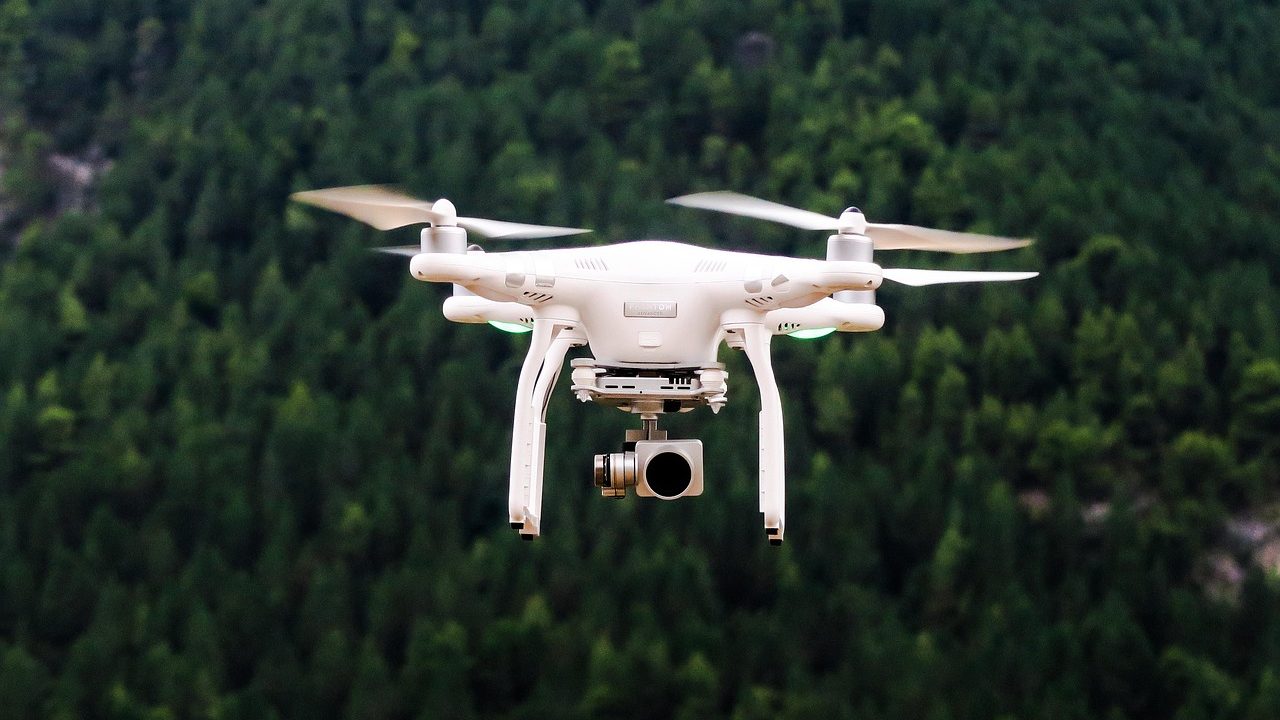
The Army announced it is testing software capable of shooting down drones from moving vehicles — mobile counter-drone capability that can operate while a convoy is in transit. The development is a direct response to the tactical reality illustrated by the downed F-15E pilot's account. His description of Iranian drones moving in a 'jellyfish formation' — coordinated swarms behaving as a single distributed unit rather than individual aircraft — is significant because most counter-drone systems are designed to engage discrete targets. When drones share situational awareness and can absorb attrition while rerouting, the engagement calculus changes fundamentally. The Army's software-defined approach reflects an effort to build flexible responses rather than hardware-specific solutions that become obsolete as drone designs evolve.
The European Aviation Safety Agency issued an emergency airworthiness directive effective Wednesday, requiring inspection of sixteen A380 superjumbo aircraft after cracks were found in a critical wing component. Emirates, which operates the world's largest A380 fleet of over one hundred and twenty aircraft, began those inspections immediately. The critical question is whether the cracks represent a manufacturing batch issue affecting specific aircraft or a design issue affecting the fleet broadly — that distinction determines whether the directive stays at sixteen planes or expands significantly.
NASA and NOAA released data this week placing the probability of this El Niño ranking among the strongest on record at sixty-three percent, with peak intensity expected this winter. The pattern drives specific, predictable effects: drought in Australia and Southeast Asia, flooding along western South America, disrupted Atlantic hurricane seasons, and in North America, warmer-than-average winters in the northern tier with wetter conditions in the south. Agricultural commodities markets are already pricing some of this in.
Four people died at the Grand Canyon this week during an extreme heat event spanning much of the American West and Southwest. The canyon is particularly lethal in heat because the descent is deceptively easy — temperatures cooler in the morning, terrain far harder to ascend than descend, heat building through the day at the canyon floor. The National Park Service issues these warnings every summer. Every summer, people die anyway. At some point that pattern becomes a public health design question, not solely a matter of individual responsibility.
A citizen scientist participating in the Radio Galaxy Zoo distributed astronomy project identified a radio galaxy shaped like a bow and arrow — a previously uncatalogued galaxy type. Radio galaxies emit enormous jets of plasma from their central black holes, and the bow-and-arrow morphology suggests the jets are bending in ways that challenge existing models of how surrounding gas clouds interact with plasma emissions. The discovery is a genuine research result, not a curiosity — and it underscores that distributed citizen science platforms have become productive scientific instruments.