Peace Talks in Freefall: The Ukraine-Russia Stalemate Deepens
How this was made Verified AI
Every Intellegix briefing is generated from that day's broadcast and run through automated checks before it publishes — with a human paged on any flag. Here is the trail for this edition.
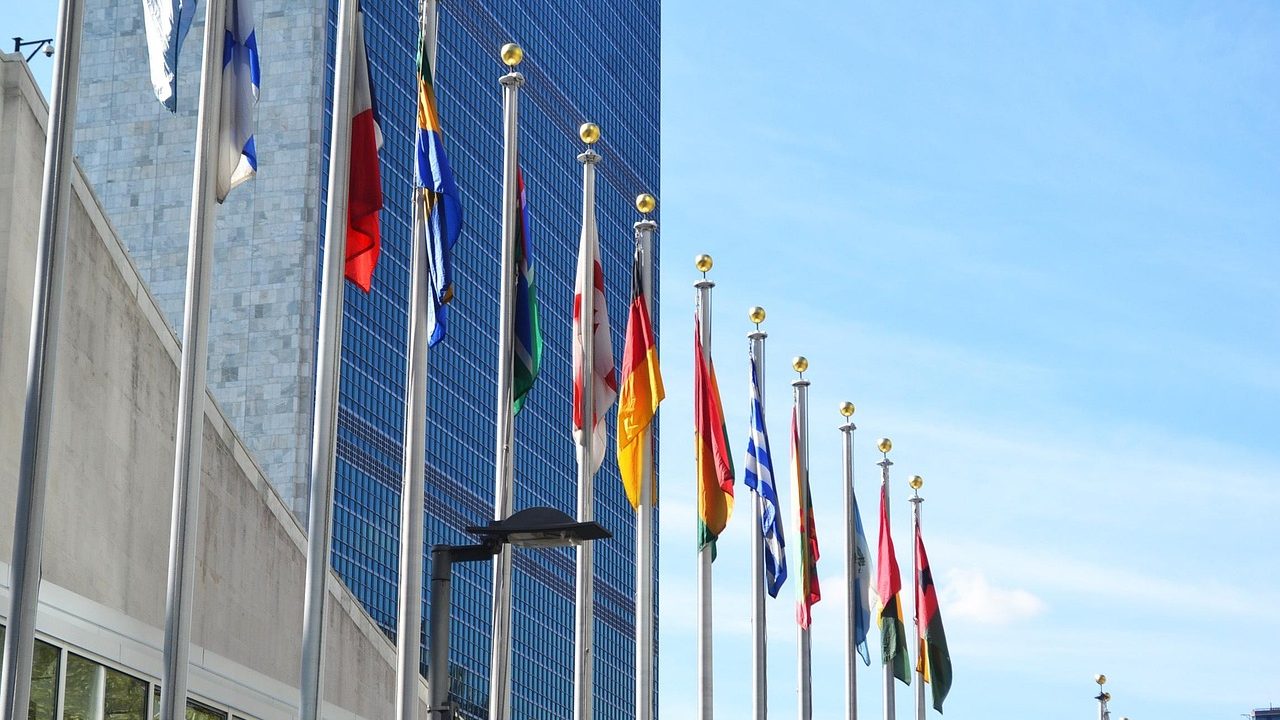
The United States called for an immediate ceasefire at the UN Security Council on Tuesday, framing the appeal around a pointed warning: time is not on Moscow's side. The message was deliberate — a signal to Putin that his core strategic bet, waiting for Western resolve to erode, may not pay out the way he is calculating.
Putin is not blinking. Both he and Foreign Minister Sergei Lavrov publicly reiterated that any peace framework must be anchored in the 2022 Istanbul agreements, terms that would require Ukrainian neutrality, recognition of Russian-controlled territory, and severe limits on Ukraine's military forces. From Moscow's perspective, those terms represent what Russia nearly secured in April 2022, before Western support for Kyiv solidified — and Putin believes he is closer to them now than he was four years ago.
The Belarus dimension is adding dangerous new pressure. Volodymyr Zelensky explicitly threatened to strike drone-guidance stations on Belarusian soil, and Lavrov responded by invoking the Collective Security Treaty Organization framework — the mutual defense pact that theoretically obligates Russia to treat an attack on Belarus as an attack on Russia itself. Whether that constitutes a real red line or a rhetorical one remains genuinely unclear, but Lavrov's decision to invoke the treaty publicly signals anxiety in Moscow about its northern flank.
Putin separately ordered Russian forces to 'reduce to zero' the effects of Ukrainian strikes — language that, beneath its defensive framing, points toward accelerating Russia's drone and electronic warfare interdiction capabilities. Ukraine's ability to strike deep into Russian territory, targeting oil refineries and military logistics nodes, has created real economic costs that Moscow publicly minimizes.
Ukraine is simultaneously managing a deteriorating relationship with Poland, one of its most critical supply corridors and political advocates within NATO and the EU. Kyiv says it is actively working to de-escalate the dispute, but the details remain murky, and the timing — with peace talks stalled and Western political will fluctuating — makes the friction particularly costly. The broader picture is a diplomatic stalemate that mirrors the military one: neither side commands enough leverage to impose terms, and neither faces enough pressure to accept the other's.