Courts, Deepfakes, and a $110 Billion Merger Test the Limits of Federal Regulation
How this was made Verified AI
Every Intellegix briefing is generated from that day's broadcast and run through automated checks before it publishes — with a human paged on any flag. Here is the trail for this edition.
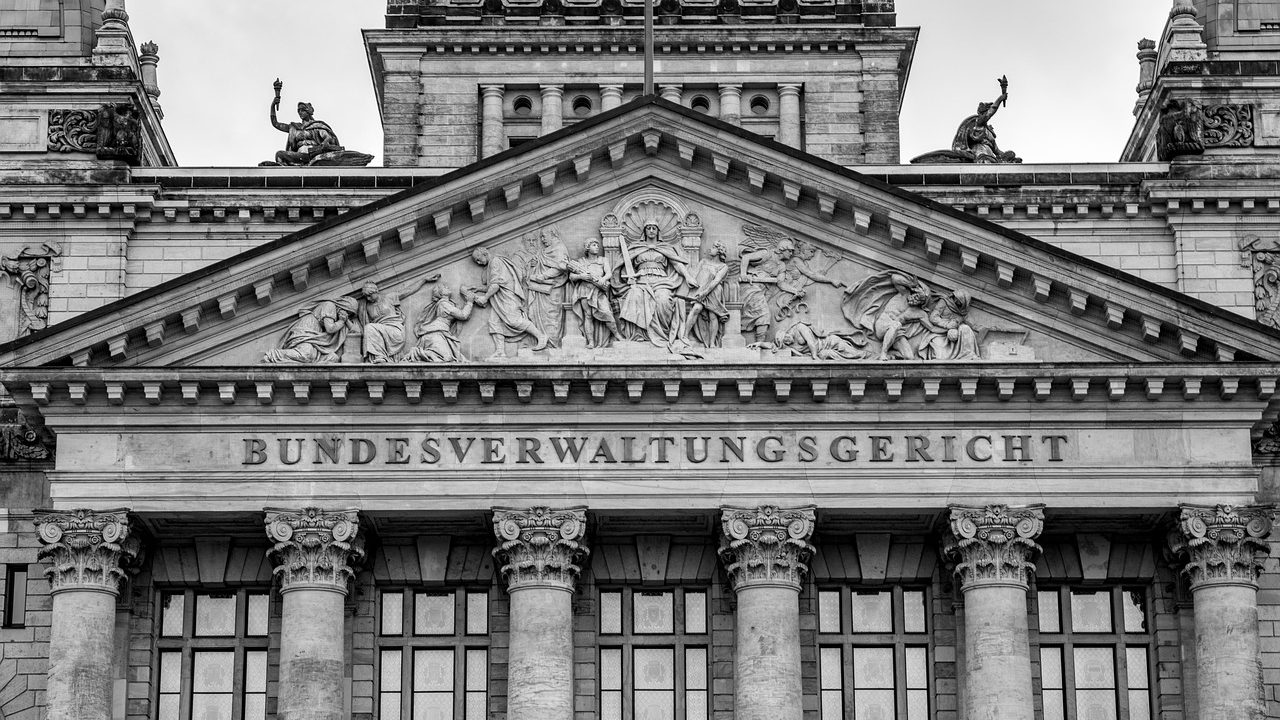
Federal courts handed the Trump administration another constraint this week when a judge sided with 20 states in blocking efforts to tie SNAP food aid funding to immigration and gender-related policy conditions. The decision invoked long-established constitutional doctrine barring the government from conditioning benefit programs on requirements that would violate constitutional rights — a principle that creates a persistent structural check on attempts to leverage spending power toward unrelated policy goals.
A deepfake video mocking a federal judge who is leading efforts to establish AI evidence rules surfaced just as a federal panel delayed its vote on courtroom deepfake regulations. The timing led observers to suggest the video may have been a deliberate attempt to intimidate the judicial process. The episode crystallizes a feedback loop confronting legal institutions: courts need rules for handling AI-generated evidence, but are simultaneously being targeted by the technologies they are trying to regulate.
The Department of Justice detailed a $15 million romance scam operation allegedly involving five Ghanaian nationals who used AI video platforms to defraud more than 130 elderly Americans on dating sites. Officials described it as a new category of international cybercrime in which AI tools have democratized sophisticated fraud techniques, making convincing fake personas scalable and far harder to detect. Separately, Trump administration officials are reportedly exploring equity stakes in AI companies as a mechanism for ensuring US competitiveness, a proposal that raises conflict-of-interest and fair competition concerns that European governments are watching closely.
Reports indicate that several US states are preparing a lawsuit to block Paramount's $110 billion acquisition by Warner Bros, citing market concentration concerns in streaming and content production. Fannie Mae and Freddie Mac shares experienced volatility after Trump floated a $1 trillion valuation for the government-sponsored enterprises, signaling potential privatization plans for entities that guarantee trillions of dollars in mortgage debt. Morgan Stanley faced backlash from brokerages over data-sharing plans related to a potential SpaceX IPO, reflecting ongoing tensions about preferential information access in investment banking — tensions that SEC fair-disclosure rules address in principle but struggle to police in practice.