NATO Militarizes the Arctic as SpaceX Puts Pentagon Satellites in Orbit
How this was made Verified AI
Every Intellegix briefing is generated from that day's broadcast and run through automated checks before it publishes — with a human paged on any flag. Here is the trail for this edition.
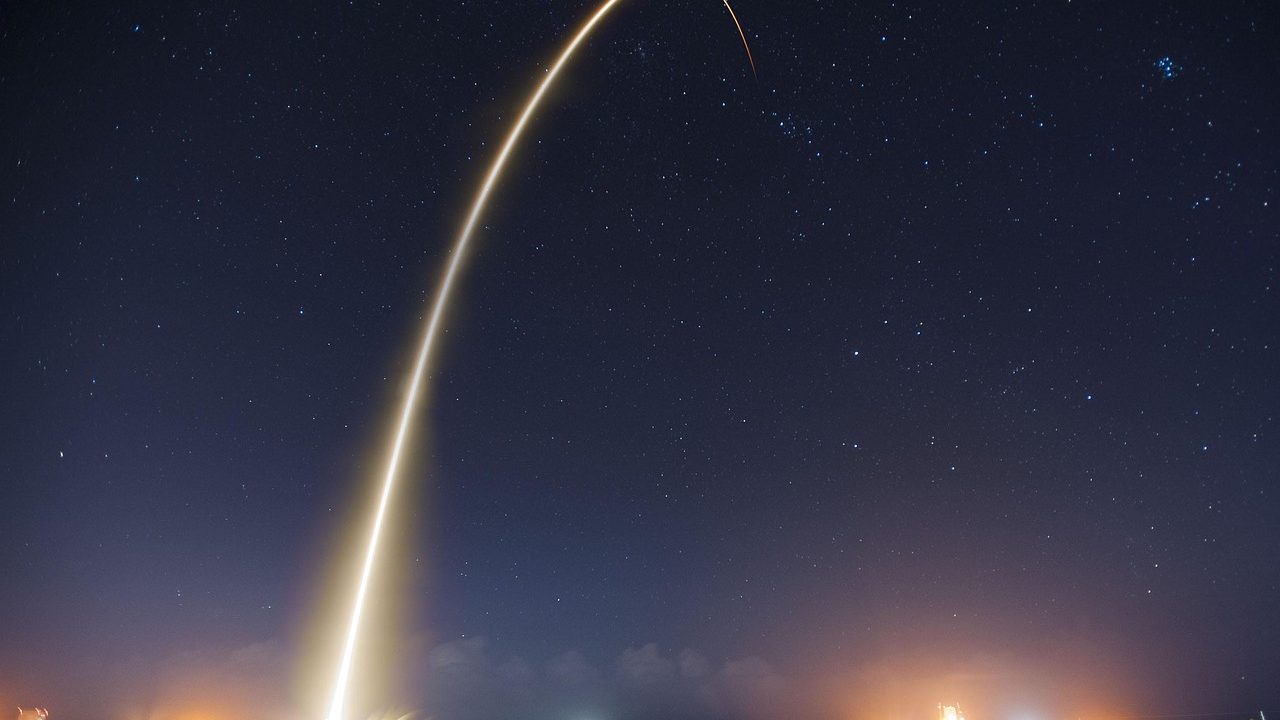
At 3:47 AM Pacific Time Sunday, a SpaceX Falcon 9 lifted off from Vandenberg Space Force Base carrying 21 standard Starlink satellites alongside two Starshield satellites destined for Pentagon networks — the latest addition to a military constellation the Defense Department has backed with more than $12 billion in commitments through 2028. Unlike civilian Starlink hardware, Starshield satellites are hardened against electronic warfare, encrypted end-to-end, and designed to operate in contested environments, including polar regions where geostationary satellites cannot reach effectively.
The launch coincided with NATO simultaneously activating two new northern capabilities: an uncrewed maritime drone fleet capable of operating under Arctic ice for extended periods, and a new Sweden-led battlegroup stationed in Finland. Finland's 830-mile border with Russia now constitutes NATO's longest frontier with Russian territory, and analysts noted that placing Swedish forces at its head is diplomatically shrewd — demonstrating Nordic solidarity while avoiding the optics of direct US positioning.
The strategic stakes are enormous. A US Arctic strategy document released last month allocated $47 billion over five years for northern defense infrastructure. Russia has fortified its Arctic bases for years, while China — which holds no Arctic territory — has declared itself a 'near-Arctic state' and invested heavily in icebreakers and research stations. Estimates suggest the region contains 30 percent of the world's undiscovered natural gas and 13 percent of its oil reserves.
Separately, Ukraine continued its maritime campaign against Russian shipping, targeting cargo vessels in the Sea of Azov and claiming responsibility for a drone strike at a Romanian port. That latter attack drew particular concern within NATO given Romania's membership status. The economic logic behind the campaign is clear: the Sea of Azov handles significant Russian agricultural exports, and wheat futures have already risen roughly 12 percent this month partly on supply disruption fears. The Biden administration reportedly urged Ukraine to coordinate such operations more closely with alliance partners.