4% Inflation May Be the New Normal as Hong Kong Dethrones Switzerland
How this was made Verified AI
Every Intellegix briefing is generated from that day's broadcast and run through automated checks before it publishes — with a human paged on any flag. Here is the trail for this edition.
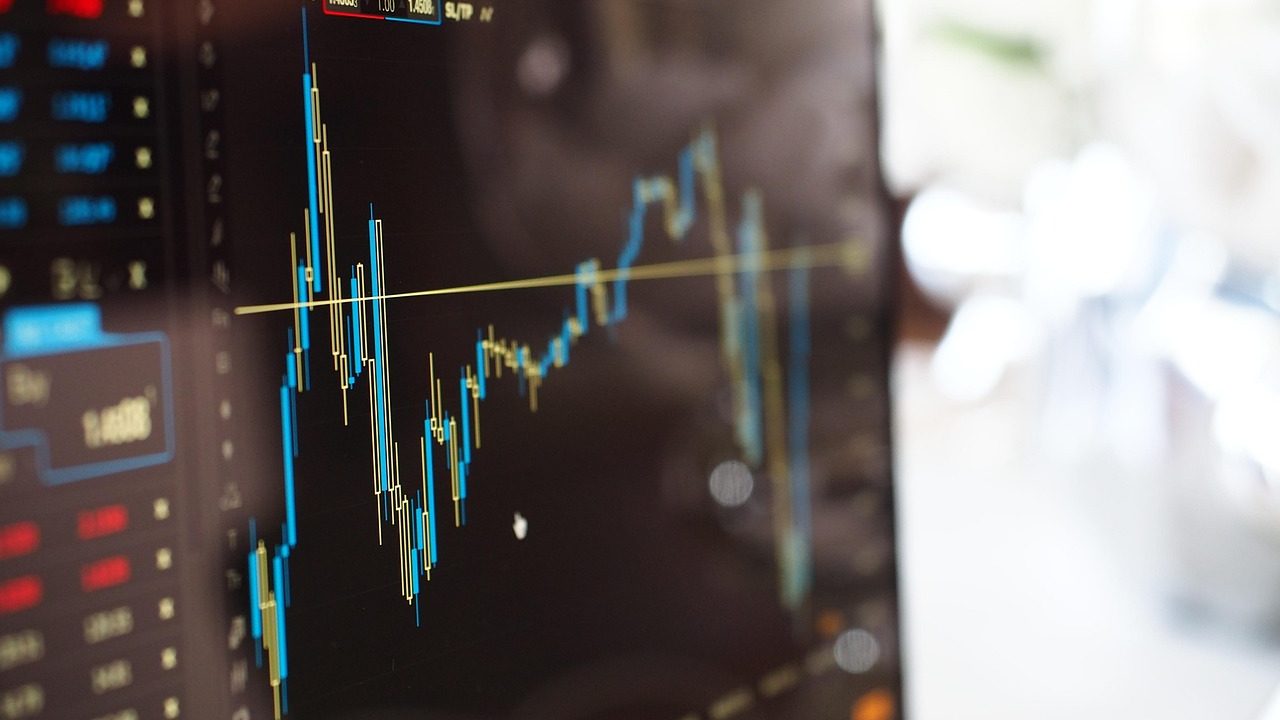
April's Personal Consumption Expenditures report is expected to show inflation near 4%, a figure that would signal a significant stall in the disinflationary progress recorded through 2023 and early 2024. Rather than a temporary plateau, analysts are beginning to consider whether persistently elevated price levels represent an entrenchment, complicating the Federal Reserve's path back to its 2% target.
Treasury Secretary Bessent faces narrowing options as Treasury yields continue to climb despite Federal Reserve policy. Bond markets are effectively signaling that fiscal dynamics and geopolitical risks are overwhelming monetary policy efforts — a judgment that becomes harder to reverse when confidence in the government's ability to manage deficits and international crises simultaneously is in question.
Hong Kong has overtaken Switzerland as the world's top offshore wealth hub, a shift that reflects the territory's proximity to Chinese wealth and its continued access to international capital markets. The movement of ultra-high-net-worth assets toward Hong Kong rather than traditional Western financial centers suggests that wealthy individuals believe the territory's special financial status will be preserved regardless of broader US-China tensions.
Delta's crew scheduling crisis over Memorial Day weekend disrupted more than 300 flights on Saturday alone, offering a real-time illustration of how operational failures cascade quickly through financially leveraged industries. The episode also highlighted structural labor market constraints — pilot shortages and training bottlenecks — that resist rapid monetary policy remedies and continue to exert upward pressure on both airline fares and broader service inflation.
China's decision to delay Airbus deliveries as leverage over European aircraft deals demonstrates how commercial aviation transactions, once treated as purely economic, have become instruments of diplomatic pressure. Larry Fink's observation that pensions and savings will need to fund trillions of dollars in AI infrastructure buildout raises a parallel concern: the same pools of capital that underwrite retirement security may increasingly be redirected toward speculative technology investments, creating systemic risk if those investments underperform.