Russia's Largest Strike of 2026 Shifts European Security Calculus
How this was made Verified AI
Every Intellegix briefing is generated from that day's broadcast and run through automated checks before it publishes — with a human paged on any flag. Here is the trail for this edition.
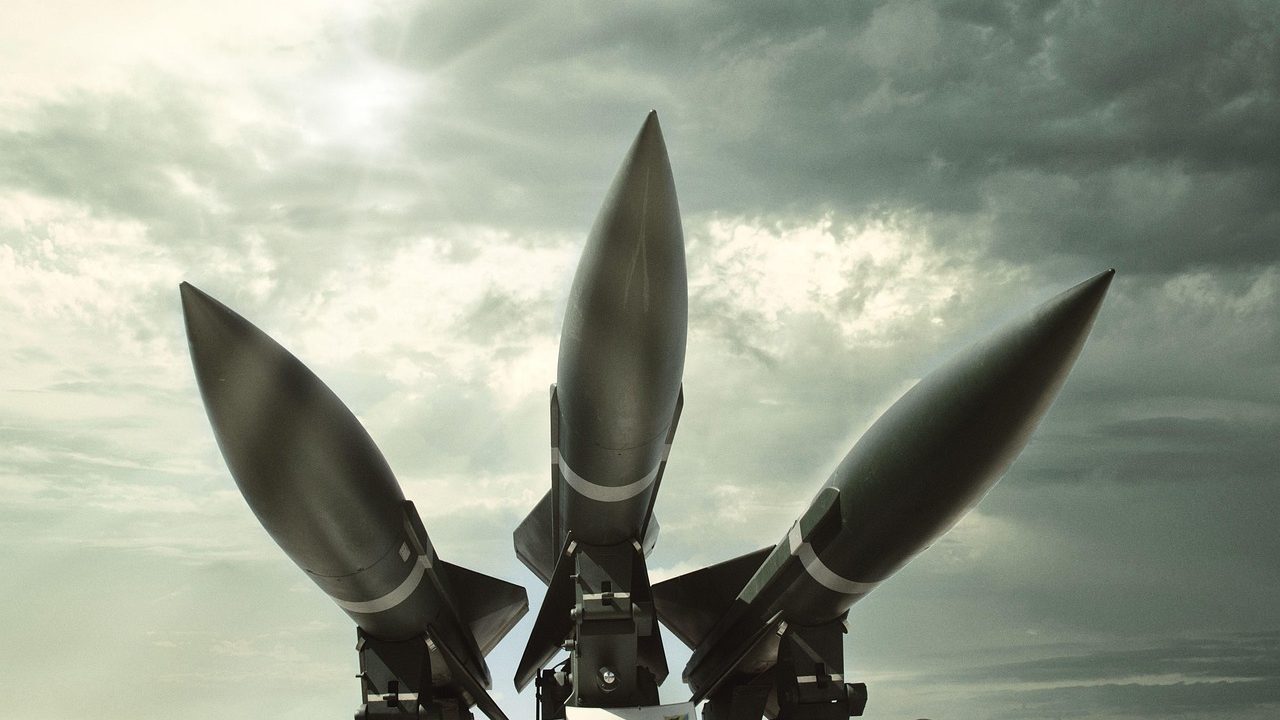
Russia conducted what senior officials described as its largest missile attack of 2026 this week, a demonstration of force that Western analysts assessed as deliberate timing intended to project strength while the United States is potentially distracted by Middle East diplomacy. Western leaders are now focusing scrutiny on Belarus as a potential staging ground for expanded Russian operations — a significant shift in the alliance's threat assessment.
Ukraine's Defense Minister Umerov traveled to Berlin for talks with the E3 — Britain, France, and Germany — specifically to address the escalating Russian strike campaign. Ukrainian commanders have warned there is a six-month window to seize battlefield initiative before winter conditions again shift the tactical balance. The Berlin meeting signals that European nations are at least considering whether they may need to shoulder primary responsibility for Ukraine's security if US attention migrates toward Iran.
The economic dimension of the war continues to deepen. European Commission President von der Leyen confirmed the EU is preparing its 21st sanctions package against Russia — a figure that itself raises pointed questions about the long-term effectiveness of economic warfare against a state still capable of sustaining large-scale offensive operations. Meanwhile, the US House unveiled a $1.15 trillion defense bill, though lawmakers deferred $350 billion to a separate reconciliation process, reflecting congressional difficulty in balancing immediate Ukraine support with broader defense modernization.
The Tuapse oil refinery was struck by drones for the fifth time this spring, illustrating how both sides are prosecuting a sustained war of attrition against energy infrastructure. That pattern points away from any near-term negotiated resolution. The strategic contradiction haunting Washington — supporting Ukraine against Russia while potentially normalizing relations with Iran, Russia's key partner — could, analysts noted, undermine both diplomatic efforts simultaneously.