The Air You Breathe May Be Sabotaging Your Decisions
How this was made Verified AI
Every Intellegix briefing is generated from that day's broadcast and run through automated checks before it publishes — with a human paged on any flag. Here is the trail for this edition.
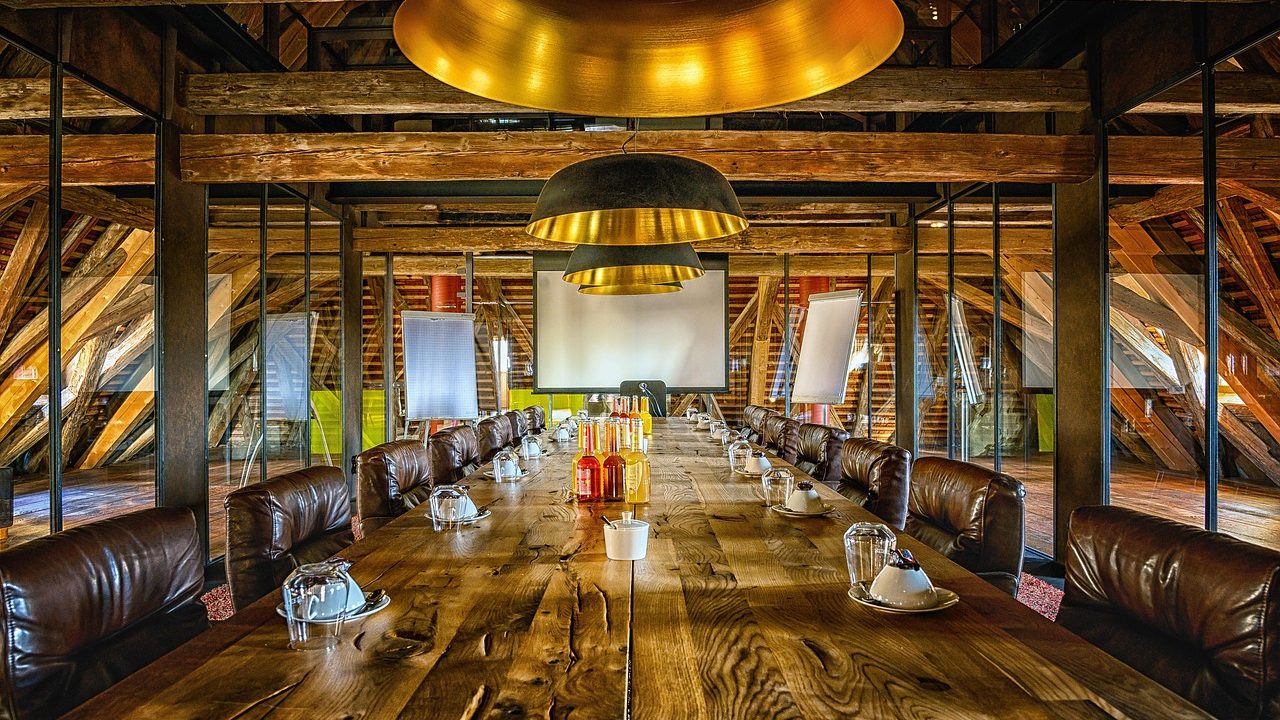
The day's most-engaged thread — 332 points and 192 comments — centered on a blog post titled 'The bottleneck might be the air in the room,' linking to a piece by Mike Bowler on indoor CO2 levels and cognitive performance. The discussion drew building engineers, neuroscientists, office managers, and remote workers to an uncomfortable shared conclusion: the air in typical meeting rooms routinely reaches concentrations where decision-making measurably degrades.
The research Bowler cites finds that at roughly 1,000 parts per million — not unusual for a poorly ventilated conference room after an hour of occupancy — decision-making quality drops by approximately 15 percent compared to a well-ventilated baseline near 550 ppm. At 2,500 ppm, reachable in a packed room with poor airflow, the degradation in complex strategic thinking approaches 50 percent in some studies. One commenter, an HVAC engineer, observed that building codes set ventilation minimums based on odor control, not cognitive performance — thresholds that are entirely different standards.
The practical stakes are significant. Board meetings, hiring sessions, and product strategy discussions routinely occur in exactly those sealed, crowded, long-running rooms — and poor outcomes are typically attributed to bad judgment rather than bad air. A decent CO2 monitor, commenters noted, costs under fifty dollars, yet the metric is essentially absent from office management conversations.
The CO2 findings wove together with two other trending posts: a Marginalia essay arguing that genuine learning requires deliberate, uncomfortable engagement with material that modern productivity culture discourages, and a Surfing Complexity piece contending that synthesis — constructing something new from disparate parts — is fundamentally harder than analysis because the synthesizer must create the reference point as they go, rather than comparing work against an original. A third piece, on the Mir Books project's effort to digitize Soviet-era scientific and technical textbooks from Mir Publishers, added a preservation angle: high-quality mathematics, physics, and engineering books that shaped generations of engineers across Eastern Europe and India are being recovered from decades of inaccessibility.