Two Thousand Years of Silence, Broken by Machine Learning
How this was made Verified AI
Every Intellegix briefing is generated from that day's broadcast and run through automated checks before it publishes — with a human paged on any flag. Here is the trail for this edition.
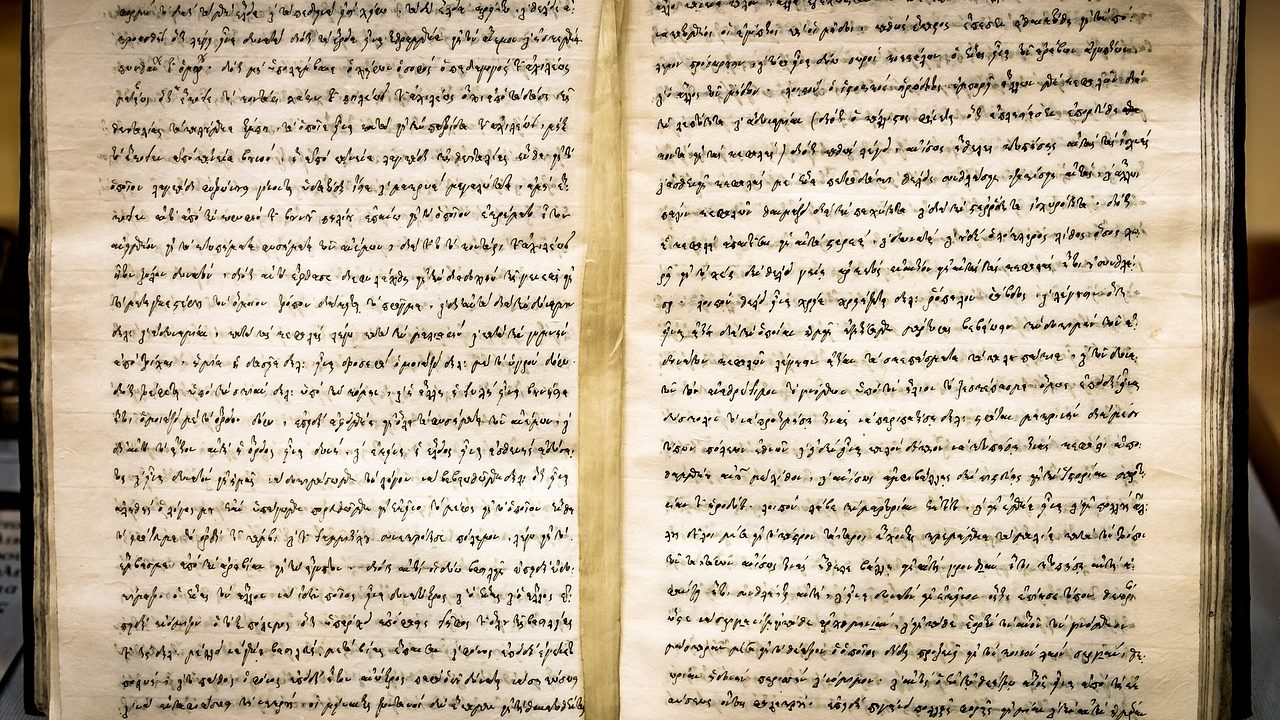
The Vesuvius Challenge — the scroll prize project at scrollprize.org — announced this week that an entire Herculaneum scroll has been read for the first time. Not a fragment, not a section: a complete document carbonized by the eruption of Mount Vesuvius in 79 AD and buried for nearly two millennia, previously considered impossible to read because unrolling it would destroy it.
The technical pathway combined X-ray computed tomography — CT scanning the scrolls without opening them — with machine learning models trained to detect subtle ink patterns on carbonized papyrus surfaces. The challenge, which launched in 2023, drew contributors worldwide, with several winning approaches coming from researchers who found the project through Hacker News. The models are not performing conventional optical character recognition on damaged text; they are learning to distinguish between density variations in CT scan data that correspond to ancient ink — a contribution to computational imaging that stands independently of the historical content it is recovering.
The historical stakes are considerable. The Herculaneum library is believed by many scholars to have belonged to the family of Julius Caesar's father-in-law. Partially decoded scrolls already include Epicurean philosophical texts known from references in other ancient sources but never directly read. Each successfully decoded scroll is potentially new primary source material for ancient philosophy, history, or literature. The story scored 1,341 points and 283 comments on Hacker News, with threads from ancient Greek paleographers discussing what specific letter forms reveal about each scroll's dating and provenance — substantive peer review happening in near real-time.
The prize structure of the Vesuvius Challenge is also drawing attention as a model for research funding. Rather than a single large grant to a single institution, the project offered a series of milestone prizes — smaller rewards for intermediate achievements, larger for full breakthroughs — creating a tournament dynamic that attracted a far wider range of participants than traditional academic grant structures. Economists who study innovation contests have long argued that prize models outperform grants for problems where the winning approach is unknown in advance; this case is being cited as strong supporting evidence.
The week's historical recovery theme extended to a Mozart find in Paris: a handwritten notebook from a 22-year-old Wolfgang Amadeus Mozart, described as a personal compositional workbook and an extraordinary primary source for understanding how his musical thinking developed in his early twenties. The discovery earned 75 points and 10 comments on Hacker News — modest figures that likely reflect the Herculaneum story consuming most of the available attention in the historical-discovery space.