Alzheimer's Copper Drug Shows Promise, and a Look Back at Past Predictions
How this was made Verified AI
Every Intellegix briefing is generated from that day's broadcast and run through automated checks before it publishes — with a human paged on any flag. Here is the trail for this edition.
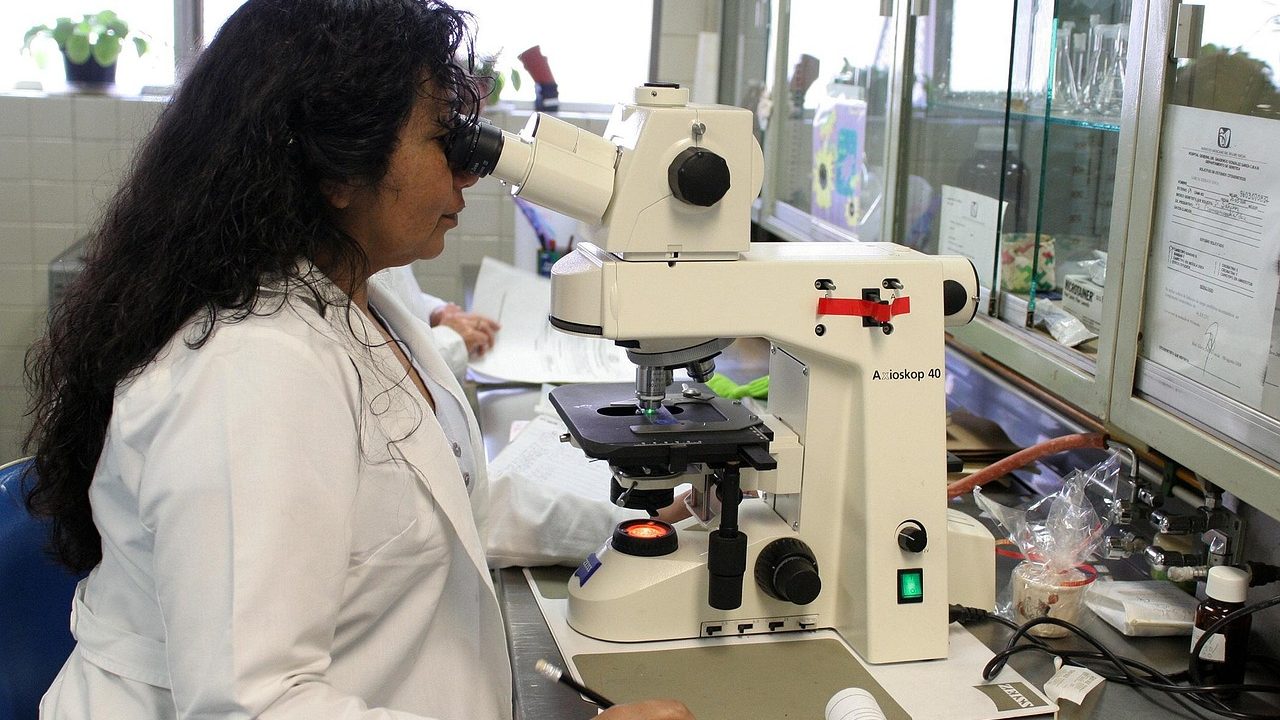
A study from Monash University on a copper transport drug earned 315 points and 112 comments for results that, in animal models, reportedly restored memory function and cleared the amyloid plaques and tau protein tangles associated with Alzheimer's disease. The copper metabolism angle is relatively underexplored in Alzheimer's research, which has been dominated by amyloid-beta targeting — a therapeutic direction that has produced a series of clinical trial disappointments. A mechanistically distinct approach with preclinical promise drew genuine attention from community members, alongside appropriately cautious reminders that many steps separate promising animal results from a drug that reaches patients. Alzheimer's remains one of medicine's largest unmet needs, both by prevalence and by the burden it places on families and caregiving systems.
A brief retrospective on earlier forecasts produced mixed results. A May 2 prediction that companies heavily exposed to electric vehicle futures could face significant losses was described as directionally correct — some EV-focused companies have seen stock declines and reduced growth projections — but the 'collapse' framing overstated the severity and missed substantial regional variation: adoption has continued faster in China and Scandinavia while slowing in the American mass market. A May 4 prediction that defense and energy stocks would benefit from geopolitical tensions proved partially accurate: defense stocks initially gained from increased NATO spending commitments, while energy stocks experienced offsetting pressure from demand uncertainty tied to economic slowdown concerns. The lesson offered was that sector calls based on geopolitical logic tend to hold until economic feedback loops accelerate — and those loops, it was noted, move faster than they once did.