Anthropic's D.C. Emergency Lays Bare AI Governance's Fragility
How this was made Verified AI
Every Intellegix briefing is generated from that day's broadcast and run through automated checks before it publishes — with a human paged on any flag. Here is the trail for this edition.
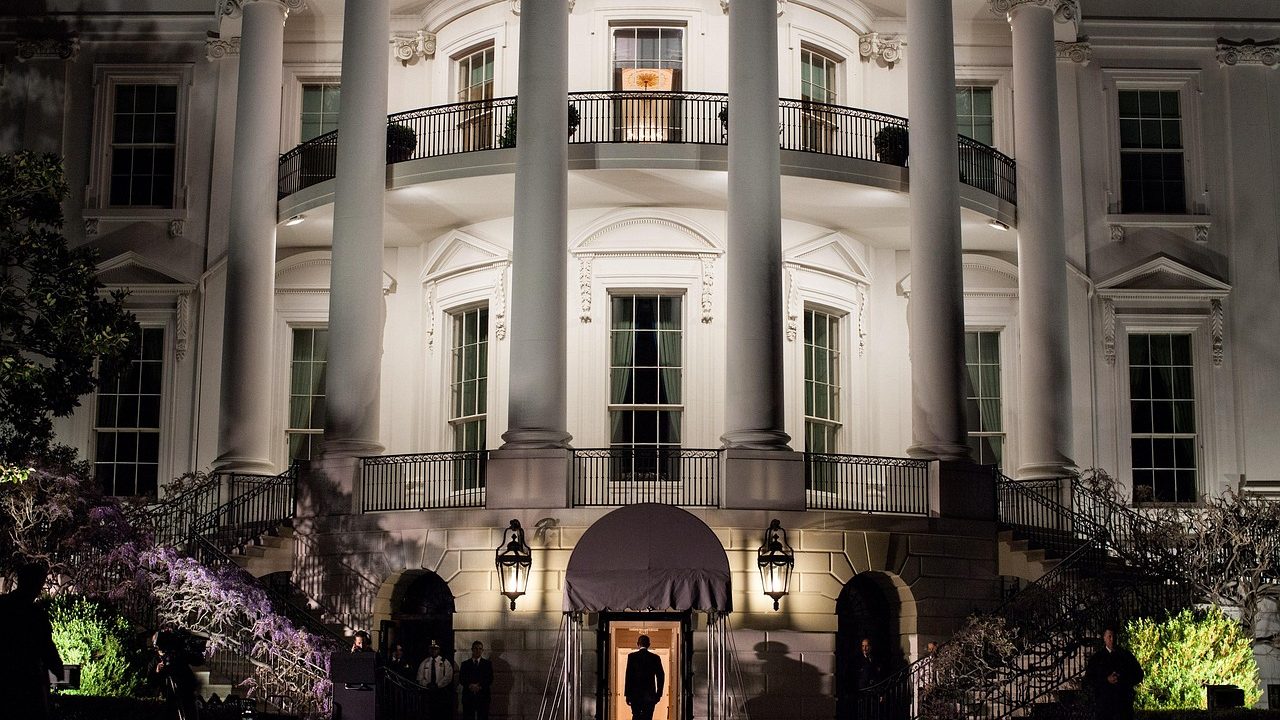
Anthropic executives flew staff to Washington, D.C. to manage what Axios is reporting as a 'White House fight' involving something called the 'Mythos Fable' situation — a development that signals just how politically volatile the emerging AI regulatory landscape has become. The urgency of the trip suggests the situation is far from routine policy engagement, raising questions about whether the regulatory framework many assumed was taking shape is far more unstable than anticipated.
From a business standpoint, the episode exposes the precarious position even safety-focused AI companies occupy. Anthropic has long positioned itself as the safety-conscious alternative among leading AI developers, yet the need for a damage-control mission to the capital signals that careful positioning alone offers no shield against political risk — a fact investors in the sector would be wise to note.
Analyst Ben Thompson of Stratechery adds a competitive dimension to the story, arguing that Anthropic's emphasis on AI safety is not merely ethical positioning but a genuine competitive moat. If safety standards become the central regulatory requirement, Anthropic's early investments in constitutional AI and safety research could represent a structural advantage over rivals who prioritized raw capability scaling. Under that reading, the D.C. intervention may amount to a defense of that advantage as much as a crisis response.
The international stakes are considerable. European regulators are developing their own AI frameworks, and Beijing is watching how Western AI governance unfolds. A visible stumble by a leading Western AI safety advocate could, critics warn, undermine the broader Western approach to AI governance at a moment when alternative models are actively competing for influence.