Renault's Rare-Earth-Free Motor Could Redraw EV Supply Chains
How this was made Verified AI
Every Intellegix briefing is generated from that day's broadcast and run through automated checks before it publishes — with a human paged on any flag. Here is the trail for this edition.
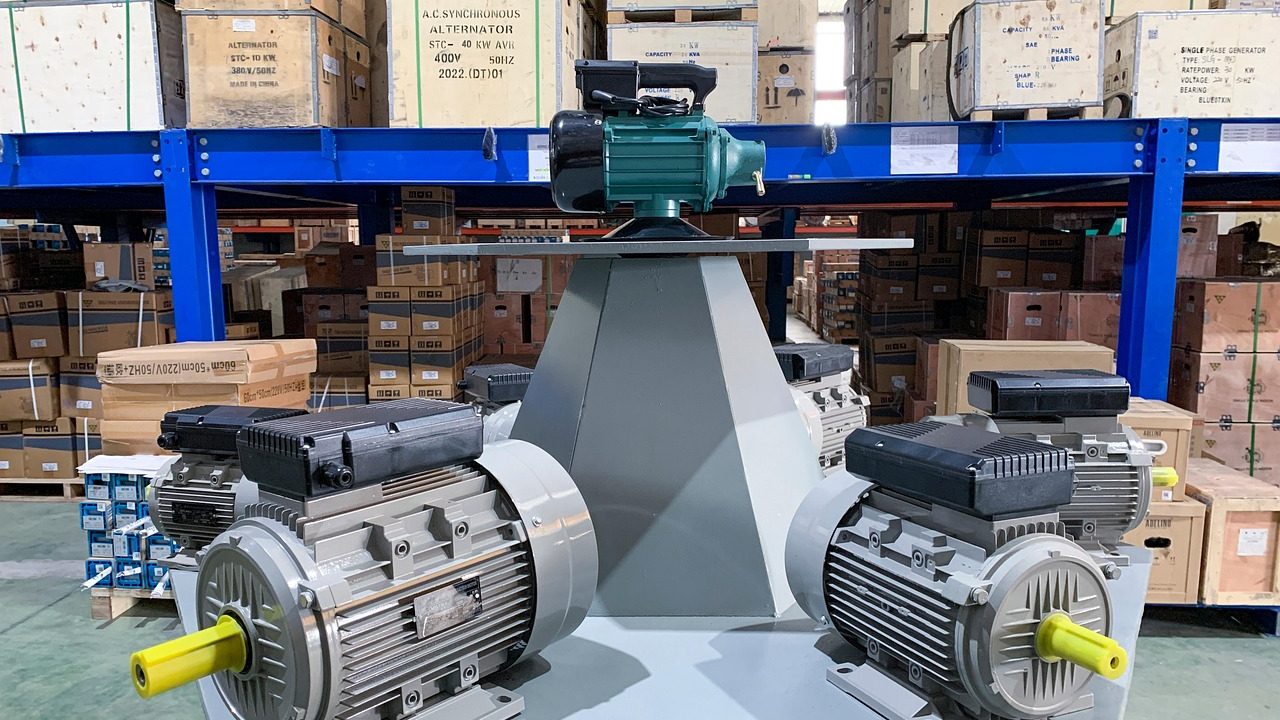
Renault has developed electric motors that eliminate rare earth materials entirely, a technical achievement the Hacker News community has flagged as potentially transformative for the electric vehicle industry. Traditional motors rely heavily on elements such as neodymium and dysprosium, which are predominantly mined and processed in China — a dependency that has long concerned automotive manufacturers and policymakers.
The engineering obstacle has been maintaining motor efficiency and power density without rare earth magnets. Conventional alternatives like ferrite magnets are significantly less powerful, typically requiring larger motors or performance compromises. Community discussion suggests Renault may be employing advanced motor control algorithms and innovative winding configurations to compensate for the difference in magnetic materials, though independent testing and real-world deployment data have yet to validate the performance claims.
The supply chain implications extend well beyond Renault. Rare earth pricing volatility has been a persistent factor in EV manufacturing costs, and a commercially viable alternative could reduce China's strategic leverage over the automotive sector while enabling more distributed, resilient manufacturing. Governments pursuing technology independence have been seeking exactly this kind of solution.
Environmental considerations add another dimension: rare earth mining is widely characterized as destructive, often involving toxic processing chemicals and significant waste. Motors that avoid these materials could reduce the environmental footprint of EV production, addressing a recurring criticism of electric vehicle sustainability claims.
Technical skeptics in the community note that revolutionary motor technologies have been announced before without achieving commercial scale, and that the physics of magnetic materials impose fundamental limits that are difficult to engineer around. The competitive pressure is nonetheless real: if the technology proves out, manufacturers that continue relying on rare earth motors could face disadvantages in both cost structure and supply chain resilience.