Xiaomi Opens MiMo Code as Developer Culture Debates Effort and Credit
How this was made Verified AI
Every Intellegix briefing is generated from that day's broadcast and run through automated checks before it publishes — with a human paged on any flag. Here is the trail for this edition.
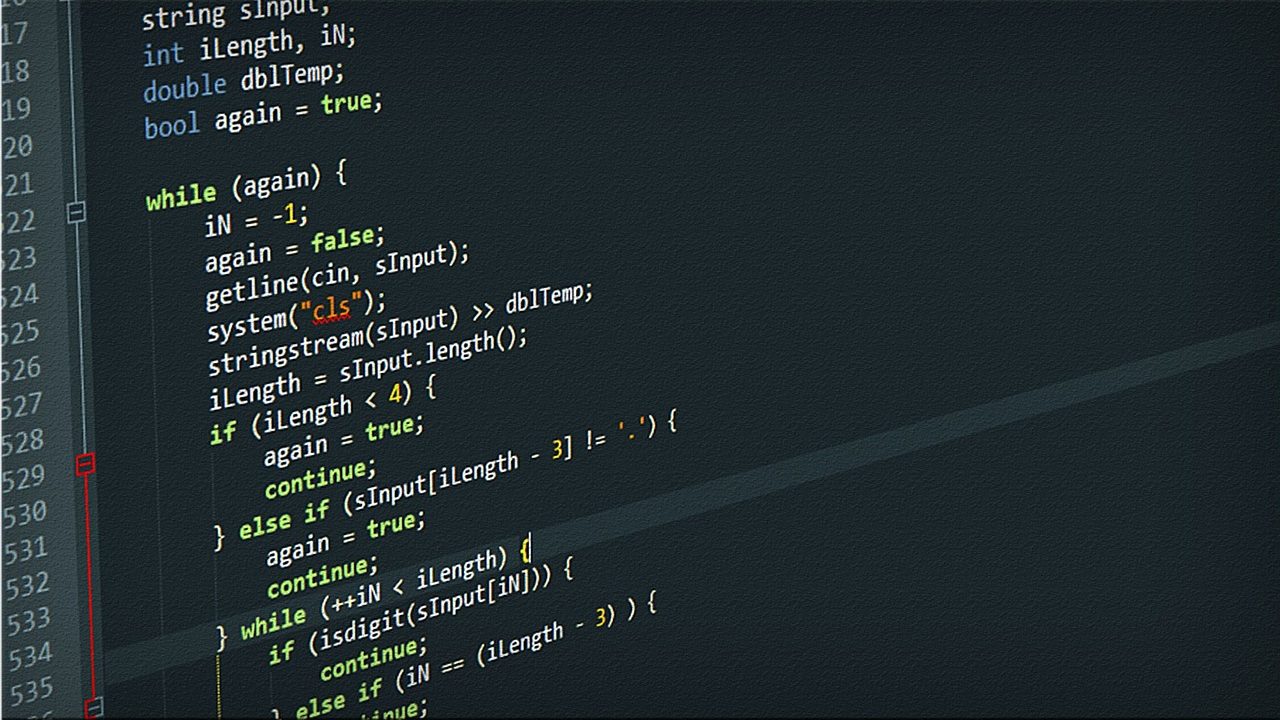
Xiaomi released MiMo Code — its interactive programming education platform — as open source, contributing tools that include advanced code analysis engines capable of providing contextual feedback on style, algorithm efficiency, and design patterns. The move lowers barriers to high-quality coding education globally and reflects a broader pattern in which large technology companies use open-source releases to build developer mindshare and long-term ecosystem influence.
The Hacker News thread on MiMo Code attracted educators already exploring how to integrate the platform into their curricula. Its support for multiple programming languages and built-in collaboration features were cited as particularly valuable for remote learning environments.
Separately, a blog post carrying the argument 'If you are asking for human attention, demonstrate human effort' generated significant discussion in developer circles. The piece contends that requests for code review, bug reports, or technical help should reflect proportional investment from the requester — detailed reproduction steps, relevant system context, and evidence of prior research — rather than minimal descriptions that transfer the burden of problem definition onto the person being asked for help. The principle resonates as a broader norm: teams that adopt higher communication standards tend to reduce the cognitive overhead imposed on maintainers and senior engineers.
A 2001 MIT paper arguing that 'nobody ever gets credit for fixing problems that never happened' attracted renewed attention alongside those discussions. The paper's core finding — that preventive work generates substantial but largely invisible return on investment — carries direct relevance to security, infrastructure, and quality assurance roles that are frequently treated as cost centers rather than value generators. The measurement problem is structural: success in prevention manifests as the absence of incidents, which does not surface in conventional performance metrics.
Also drawing discussion was a piece from Zed introducing DeltaDB, described as a tool for capturing the iterative exploration that occurs between formal commits. The premise — that software is meaningfully 'made between commits,' not only at them — positions the project as an attempt to make the creative and experimental dimensions of software development legible to tooling.