Pokémon Go Players Unknowingly Mapped the World for Military Drones
How this was made Verified AI
Every Intellegix briefing is generated from that day's broadcast and run through automated checks before it publishes — with a human paged on any flag. Here is the trail for this edition.
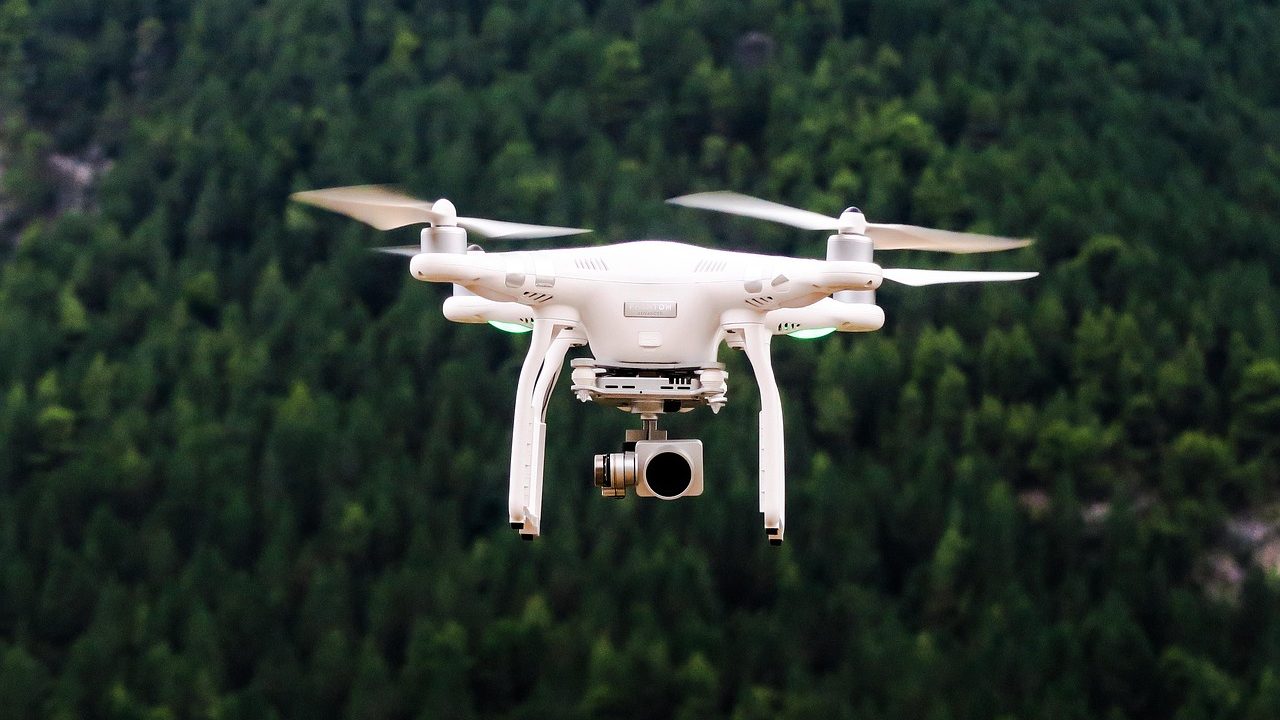
Niantic, the company behind Pokémon Go, has been using augmented-reality scans submitted by players to train drone navigation technology through a partnership with a defense contractor called Vantor — a revelation that has reignited debates about informed consent and the secondary use of consumer data.
When players scan real-world objects and locations to earn in-game rewards, they contribute to a crowdsourced geospatial dataset that Niantic has been building for years. That dataset, it turns out, has significant military applications: modern autonomous drones require detailed terrain mapping for navigation in GPS-denied environments or complex urban geography, and traditional military mapping is both expensive and time-consuming. Pokémon Go players have effectively provided that mapping for free, covering parks, shopping centers, residential neighborhoods, and public buildings worldwide.
The arrangement represents a striking data-monetization model — free labor from millions of users generates a valuable dataset that is then licensed to defense contractors. Critics argue that while the terms of service may have technically permitted such use, virtually no meaningful percentage of users would have understood they were contributing to military drone navigation when they tapped 'agree.'
Security analysts note a particularly sensitive dimension: Pokémon Go's global player base has likely scanned locations near military installations, government facilities, and critical infrastructure in countries that would be inaccessible to conventional intelligence-gathering. The Hacker News discussion drew 138 comments, with many users expressing a sense of betrayal, though others argued the outcome was always a foreseeable consequence of large-scale location-based data collection. The consensus, broadly, was that the episode reflects not deliberate deception by Niantic so much as a systemic failure by users — and regulators — to fully reckon with where consumer data ultimately travels.