Using Privacy Software Becomes Grounds for Government Suspicion
How this was made Verified AI
Every Intellegix briefing is generated from that day's broadcast and run through automated checks before it publishes — with a human paged on any flag. Here is the trail for this edition.
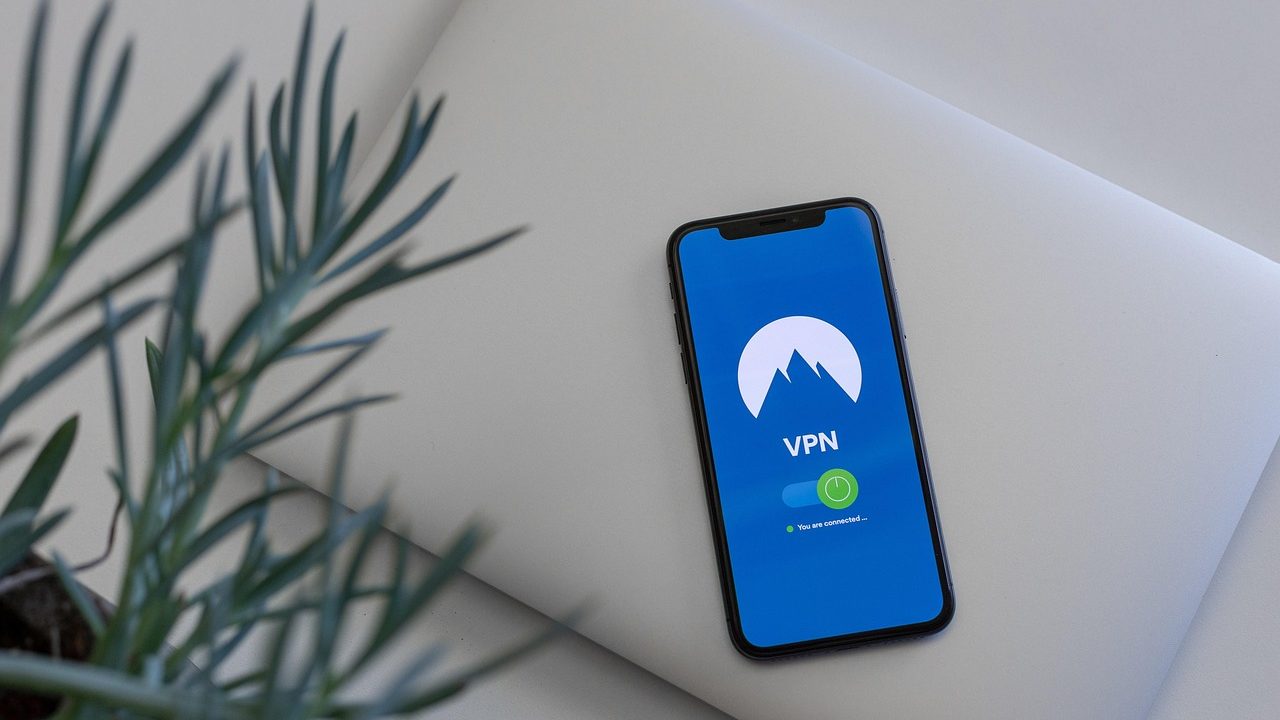
A GrapheneOS user has been reported to authorities simply for running the privacy-focused Android fork, a development that has drawn nearly 200 comments on Hacker News and raised alarm among security researchers. GrapheneOS is an open-source, security-hardened version of Android built by researchers; it removes Google's data-collection infrastructure, implements stronger app sandboxing, and gives users granular control over permissions — features widely regarded as objective security improvements.
Critics of the incident argue it sets a troubling precedent: that actively rejecting standard surveillance mechanisms can itself become a marker of suspicion. Security professionals, Hacker News commenters among them, note that GrapheneOS has well-documented legitimate use cases for medical professionals, journalists, and domestic abuse survivors.
The episode points to what some observers describe as a reversal of regulatory capture — rather than companies shaping government policy, government suspicion is beginning to shape which technologies are socially acceptable. The potential chilling effect on privacy innovation is significant: if enterprises come to view robust security tooling as a signal of non-cooperation with authorities, the result could be systemic under-investment in defenses.
The international dimension compounds the concern. If democratic governments treat privacy tools as inherently suspect, activists and dissidents in authoritarian states — who depend on the same technologies — could find their protections delegitimized. The incident arrives alongside separate stories about GPS jamming across Europe and smart-television data harvesting, reinforcing a broader pattern of eroding safeguards for ordinary users.